-

Utilization of plant secondary metabolites for plant protection
“Greener Revolution” is necessary to achieve higher crop yields while significantly reducing the use of water, fertilizers, and synthetic pesticides. The researchers point out that plant secondary metabolites—bioactive compounds extracted as oils or extracts—serve as a potent alternative to traditional chemicals. According to the study, these…
-
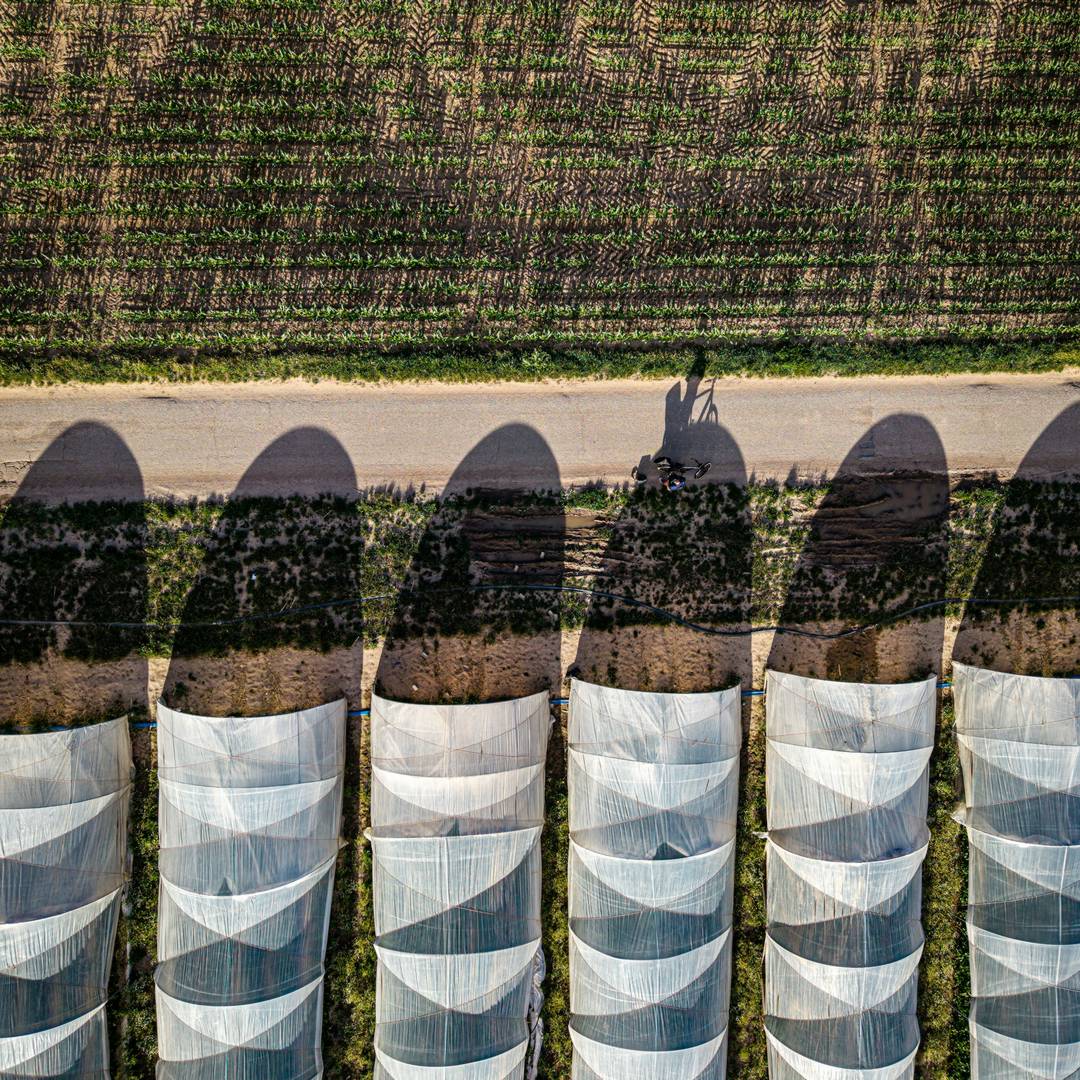
Crop Allelopathy for Sustainable Weed Management in Agroecosystems: Knowing the Present with a View to the Future
Sustainable weed management has become mandatory in the face of significant yield losses and the environmental pollution caused by the excessive use of synthetic herbicides. The researchers point out that allelopathy—the biochemical interaction between plants through the release of secondary metabolites—is gaining popularity as an eco-friendly…
-

Cellular Agriculture: Opportunities and Challenges
While traditional farming relies on whole organisms, cellular agriculture allows for the controlled and sustainable manufacture of agricultural products using only cells and tissues. The researchers point out that this field is already producing a wide range of items in bioreactors, from food ingredients like egg…
-

Social Criteria of Sustainable Development in Relation to Green Building Assessment Tools
Buildings are for people, yet we often fail to quantify its human impact. This research aims to address the “social blind spot” of green assessment tools, aiming to bring human-centric perspective into the core of construction. By identifying the key social factors (from indoor air quality…
-

Building Sustainable Smart Cities for Energy Efficiency and CO2 Emission Reduction: Insights from Europe
As we look toward a future where more than 70% of global CO2 emissions come from our urban centers, the pressure to redesign how cities function has never been higher. This research explores the “Sustainable Smart City” (SSC) as a vital framework for breaking our dependence…
-

Sustainable Adaptive Reuse Strategy Evaluation for Cultural Heritage Buildings
We often view historical buildings as relics to be frozen in time, but in the context of a sustainable future, these structures are actually some of our most strategic assets. This research investigates the concept of adaptive reuse—the process of giving old structures new life through…
-
Machine Learning for Plant Breeding and Biotechnology
While classical statistics have long been the standard for data analysis in plant breeding, these methods often struggle with the complex, nonlinear nature of plant characteristics caused by the interaction between a plant’s genotype and its environment (G x E). The researchers point out that as…
-

Microbial biosurfactants: A review of recent environmental applications
Microbial biosurfactants are low-molecular-weight, surface-active compounds that have gained significant industrial interest due to their chemical stability across various environmental conditions. The researchers point out that the specific chemistry and production cost of a biosurfactant are determined by the choice of microorganism, the substrate used, and…
-

Enhancing Essential Grains Yield for Sustainable Food Security and Bio-Safe Agriculture through Latest Innovative Approaches
While feeding an expanding population is a central challenge, we must also safeguard the environment from the negative effects of climate change. They point out that food production and security are significant hurdles, as global output may need to double by 2050. To meet this rising…
-

Comparative Economics of Conventional, Organic, and Alternative Agricultural Production Systems
Agricultural production systems are a combination of philosophy, adoptability, and the analysis of risks and rewards. This research identifies conventional and organic farming as the two dominant typologies, while biotechnology and Integrated Pest Management (IPM) act as situational modifiers. After a systematic review of existing literature,…
-
RNA‐based biocontrol compounds: Current status and perspectives to reach the market
Facing current climate challenges and a reduction in chemical options for plant protection, RNA interference (RNAi) is being explored as a new solution for agricultural losses caused by pests and environmental stresses. While the use of this technology is currently limited to a few transgenic crops…
-

Green Finance Gap in Green Buildings: A Scoping Review and Future Research Needs
The global transition to green buildings is currently stalled by a significant lack of investment. This research provides a first-of-its-kind map of Green Finance within the building sector, concluding that while the tools to fund sustainable construction exist, they are severely underutilized. The study explicitly states…
-
Global Regulation of Genetically Modified Crops Amid the Gene Edited Crop Boom – A Review
Agricultural biotechnology has become a major global commodity, providing materials for clothing, livestock feed, and fuel for eco-friendly vehicles. This growth continues despite a patchwork of inconsistent regulations worldwide, which range from total prohibitions to frameworks that treat biotech products the same as conventional plants. Because…
-
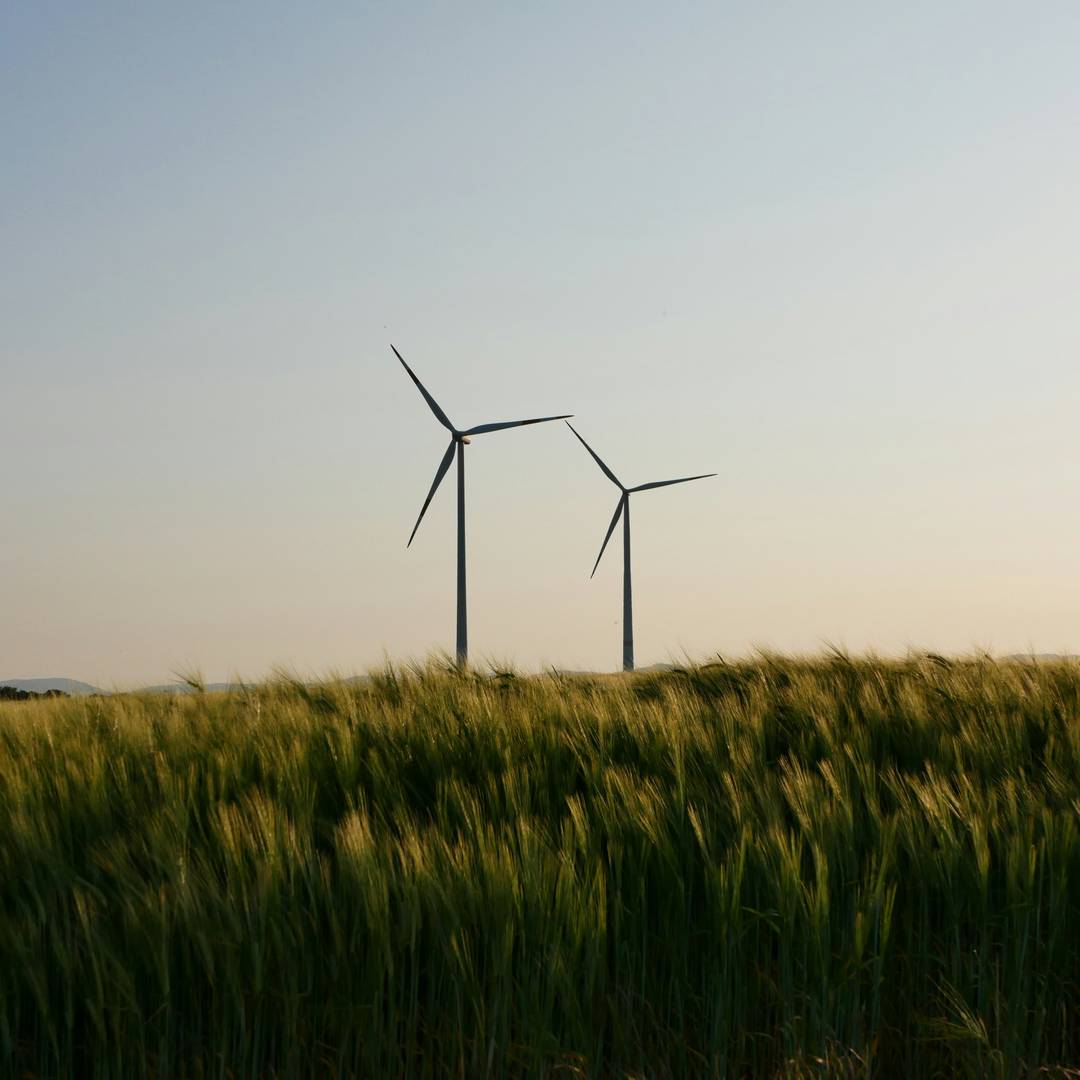
A Review on Integration of Renewable Energy Processes in Vapor Absorption Chiller for Sustainable Cooling
Traditional cooling systems are notorious energy consumers, but as cities grapple with rising temperatures, the shift toward Vapor Absorption Chillers (VAC) is proving to be a game-changer for large-scale sustainable cooling. Unlike standard air conditioners that rely on electricity-hungry compressors, VACs use heat to drive the…
-
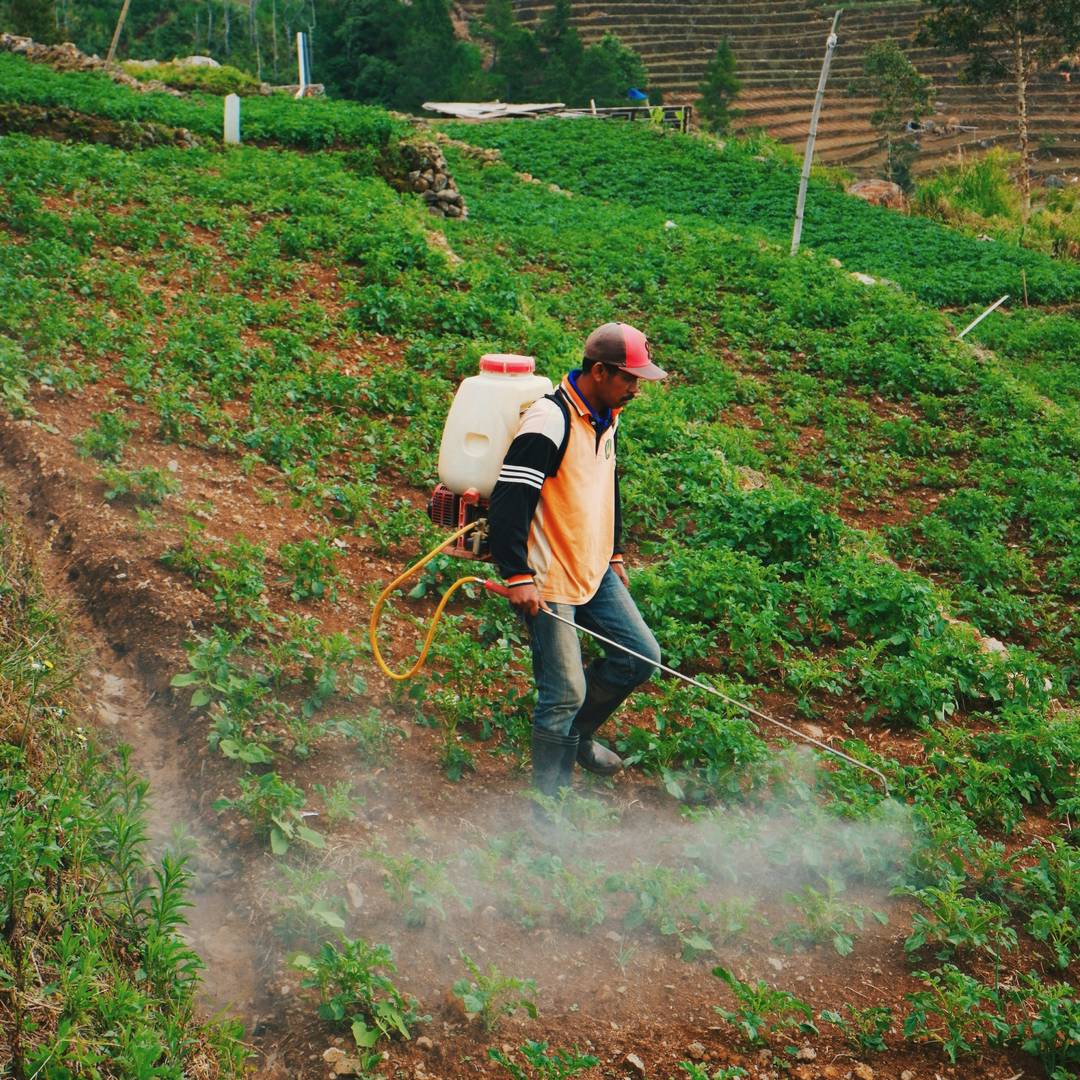
Allelopathy as a source of bioherbicides: Challenges and prospects for sustainable agriculture
Balancing crop productivity with environmental sustainability is a primary global challenge, particularly as weeds develop resistance to synthetic herbicides and cause significant economic losses. Modern agriculture requires unconventional weed control strategies rooted in ecological principles to address environmental pollution and the depletion of natural resources. This…
-

Cellular agriculture—Industrial biotechnology for food and materials
While we often think of farming in traditional terms, fundamental changes to how we produce food and materials are now unavoidable. This research point out that feeding a growing global population while reducing the environmental damage caused by conventional agriculture is a massive challenge. According to…
-

Innovative Insulation Materials: A Comprehensive Review of Current Trends, Challenges, and Future Directions in Sustainable Building Technologies
The quest for the perfect building envelope has moved far beyond simple foam or fiberglass; it is now at the cutting edge of material science and digital manufacturing. This research redefines how we should view insulation, shifting the focus from mere energy conservation to a “quadruple-bottom-line”…
-

Circular Economy Practices in the Built Environment
We cannot simply build our way out of the climate crisis by replacing old structures with new “green” ones. This comprehensive review of nearly 300 studies reveals that true urban sustainability lies in the Circular Economy, a system that prioritizes reducing the need for new resources…
-
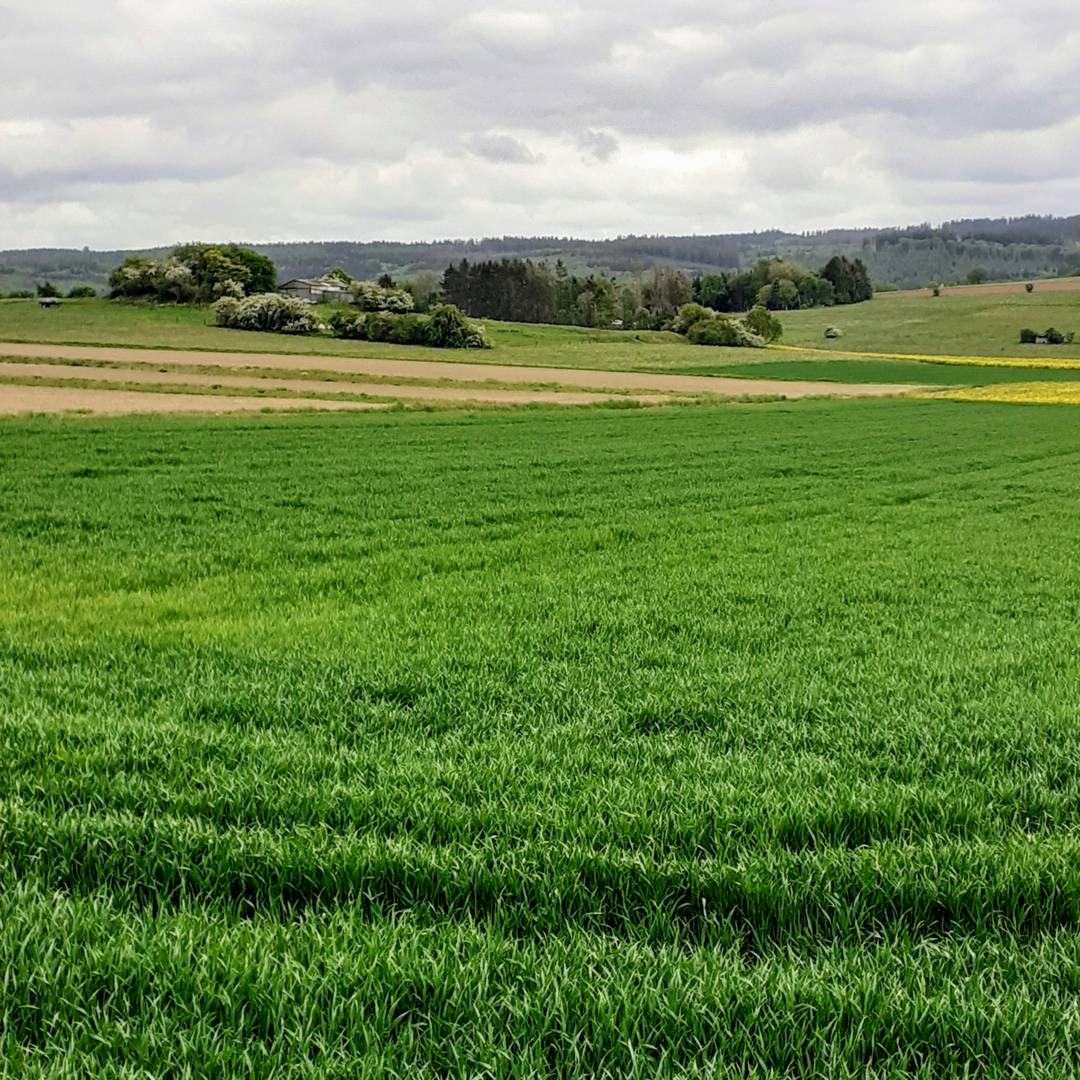
Sustainable Agriculture and Its Implementation Gap—Overcoming Obstacles to Implementation
There is a considerable amount of bibliography addressing how farming can be more sustainable, yet there is still a massive difference between what we talk about and what actually gets done. While there is no shortage of studies arguing that sustainable agriculture is necessary and showing…
-

Manipulating Amino Acid Metabolism to Improve Crop Nitrogen Use Efficiency for a Sustainable Agriculture
While global food demand continues to rise, improving how crops use nitrogen is essential for building a sustainable agricultural system. This researche points out that the core challenge is to increase nitrogen use efficiency (NUE) while simultaneously reducing the amount of nitrogen fertilizer applied to fields.…
-

Building Information Modelling and Building Sustainability Assessment: A Review
As we strive for a more sustainable built environment, the integration of Building Information Modeling (BIM) is emerging as a powerful tool for streamlining how we measure and certify a building’s green credentials. This research explores the synergy between digital modeling and Building Sustainability Assessment (BSA),…
-

Introducing the Power of Plant Growth Promoting Microorganisms in Soilless Systems: A Promising Alternative for Sustainable Agriculture
While soilless farming like hydroponics is a great way to save space and water, removing the soil matrix creates unique hurdles, such as the need for precise nutrient management and a lack of natural defences against disease. This research point out that plant growth-promoting microorganisms (PGPM)…
-

Recent advances and remaining barriers to producing novel formulations of fungicides for safe and sustainable agriculture
While humans have been in a billion-year battle with resilient fungi since the dawn of farming, our modern weapons—fungicides—have become a double-edged sword. While these chemicals have been the cornerstone of boosting agricultural productivity, the researchers point out that their over-usage has led to serious health…
-
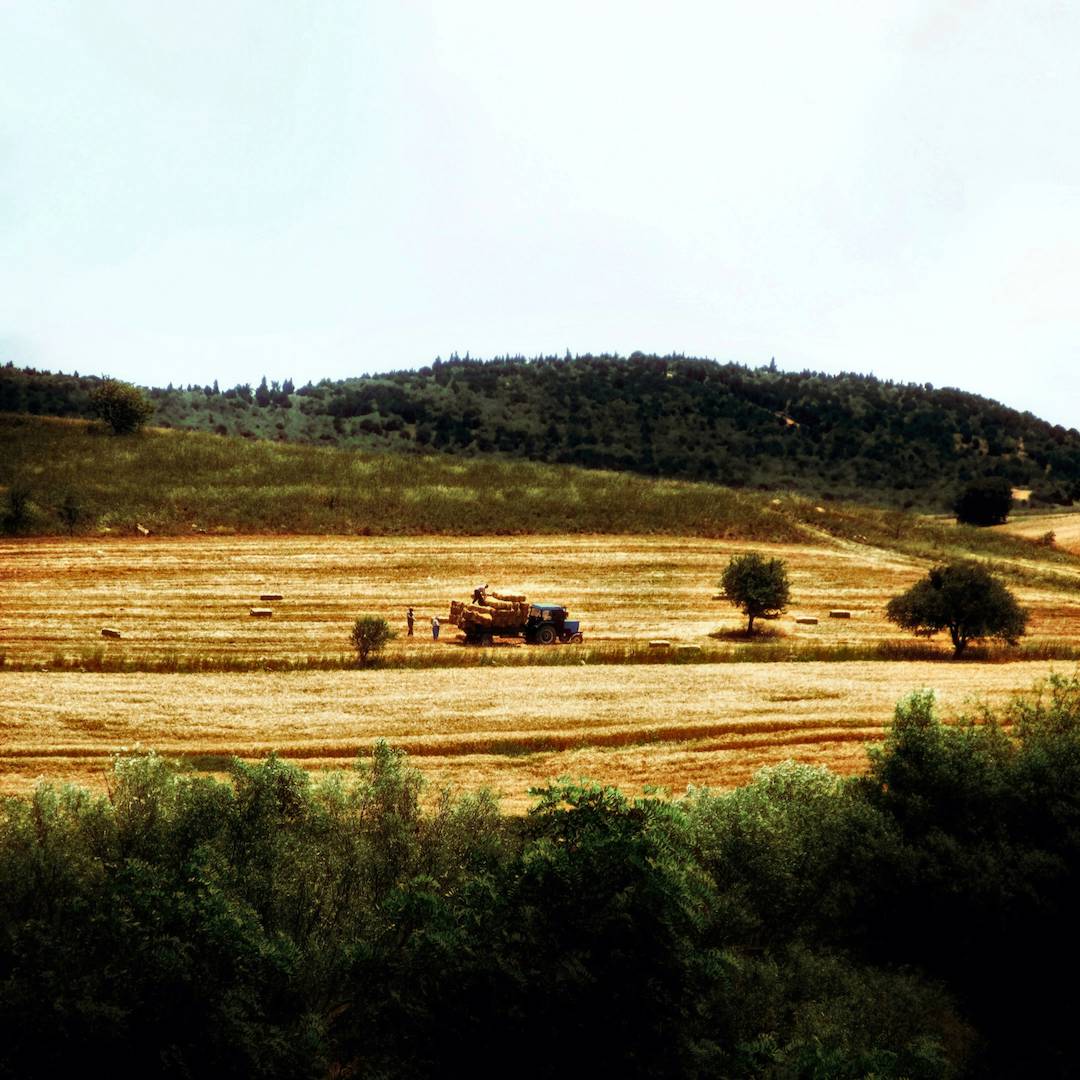
Genome Edited Crops Touch the Market: A View on the Global Development and Regulatory Environment
Genome editing, identified as a promising New Plant Breeding Technology (NPBT), has transitioned rapidly from laboratory research to commercial markets. This research point out that global activities in this field are expanding, with an increasing number of plants featuring market-oriented traits being developed and the first…
-

Plant Growth-Promoting Bacteria (PGPB) with Biofilm-Forming Ability: A Multifaceted Agent for Sustainable Agriculture
While we often think of bacteria as something to avoid, certain beneficial microbes are actually nature’s way of building a “protective umbrella” for our crops. Plant growth-promoting bacteria (PGPB) not only boost growth but also shield plants from the harsh realities of pests, diseases, and extreme…
-
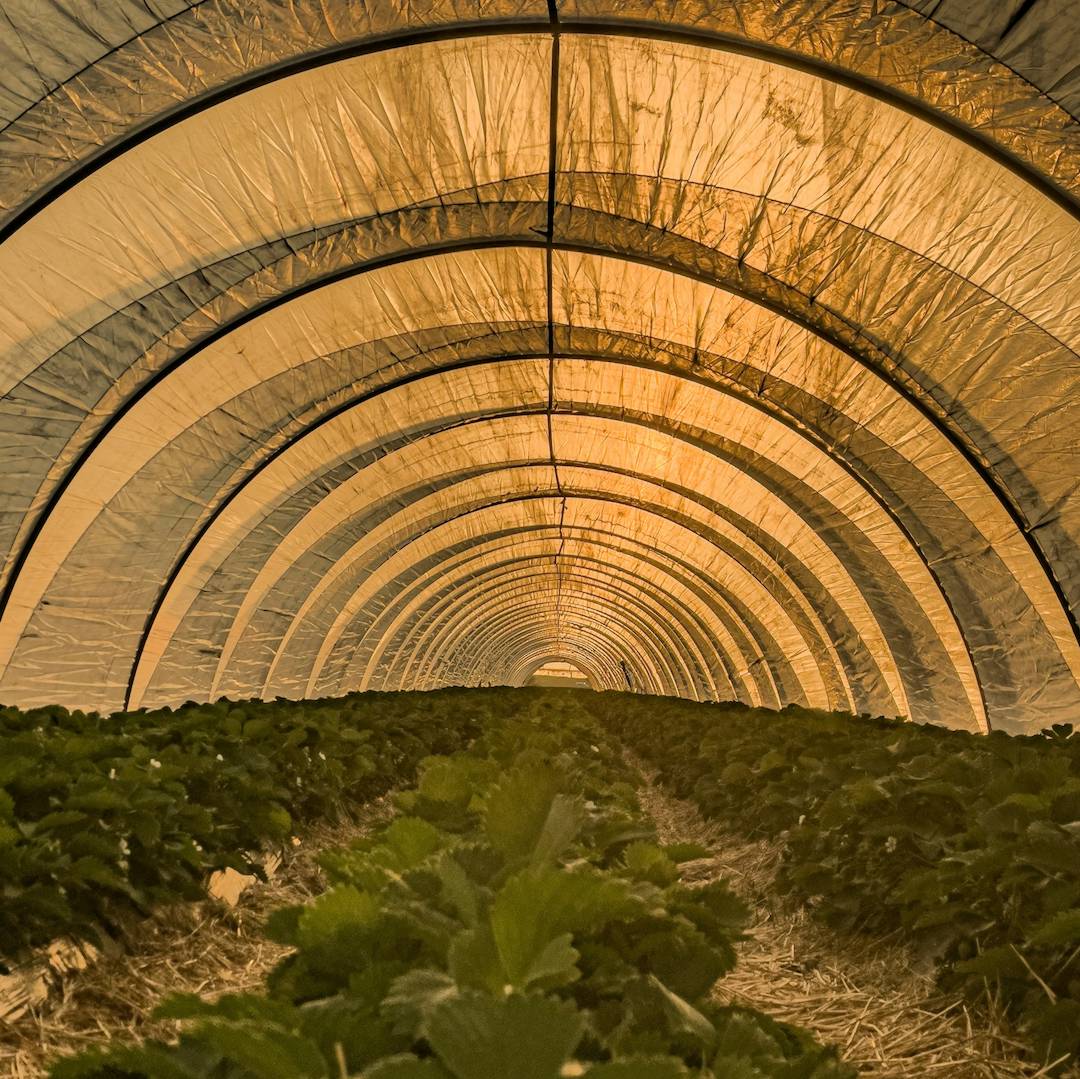
Farmers intention to adopt sustainable agriculture hinges on climate awareness: The case of Vietnamese coffee
While climate change is often discussed in global terms, for major cash crops like coffee, adopting sustainable practices is no longer an option but a necessity for adapting to a changing environment. To understand what motivates farmers to make these changes, the study analyzed 93 interviews…
-

Masonry in the Context of Sustainable Buildings: A Review of the Brick Role in Architecture
Is the secret to the sustainable future hidden in our prehistoric past? This research takes us on a journey from ancient dry-stone walss to modern brick constructions, proving that masonry remains the “gold standard” for sustainable structures. Far from being a relic of history, brick and…
-
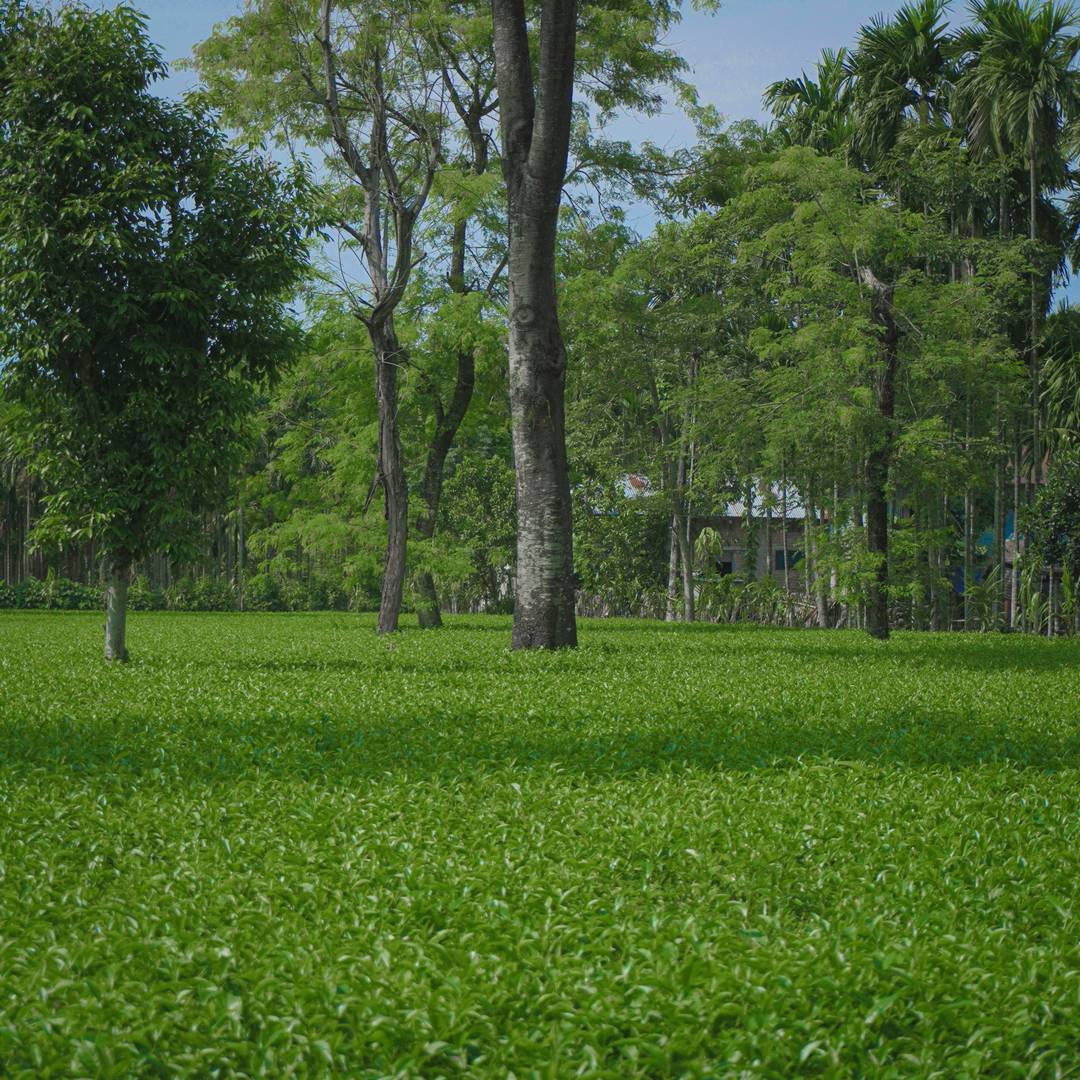
Developing a Sustainable and Circular Bio-Based Economy in EU: By Partnering Across Sectors, Upscaling and Using New Knowledge Faster, and For the Benefit of Climate, Environment & Biodiversity, and People & Business
Overview of the development of the EU bioeconomy between 2014 and 2020, the vision for a new Circular Bio-based Economy (CBE), aims to unlock the full potential of sustainably sourced biomass, crop residues, and industrial waste by transforming them into value-added products such as food, feed,…
-

How to innovate business models for a circular bio‐economy?
Transitioning from a linear “take-make-dispose” economy to a sustainable system requires new business models that can valorize renewable resource streams currently treated as waste. This study aimed to identify the critical success and risk factors for eco-innovative businesses that process unavoidable agricultural waste or by-products. By…
-

Empowering small farmers for sustainable agriculture: A human resource approach to SDG-driven training and innovation
While technical tools are essential, most powerful engine for green farming might actually be the people behind the plow. In the face of a global push for sustainable agriculture, governments and organizations urgently need to provide farmers with the knowledge required to meet the UN’s Sustainable…
-

Hypes, hopes, and the way forward for microalgal biotechnology
Urge for food security and sustainability has propelled the field of microalgal biotechnology. These microorganisms can grow using light, fertilizers, sugars, CO2, and seawater, providing significant potential as a feedstock for food, feed, energy, and chemicals. Microalgae grow faster and have higher areal productivity than traditional…
-
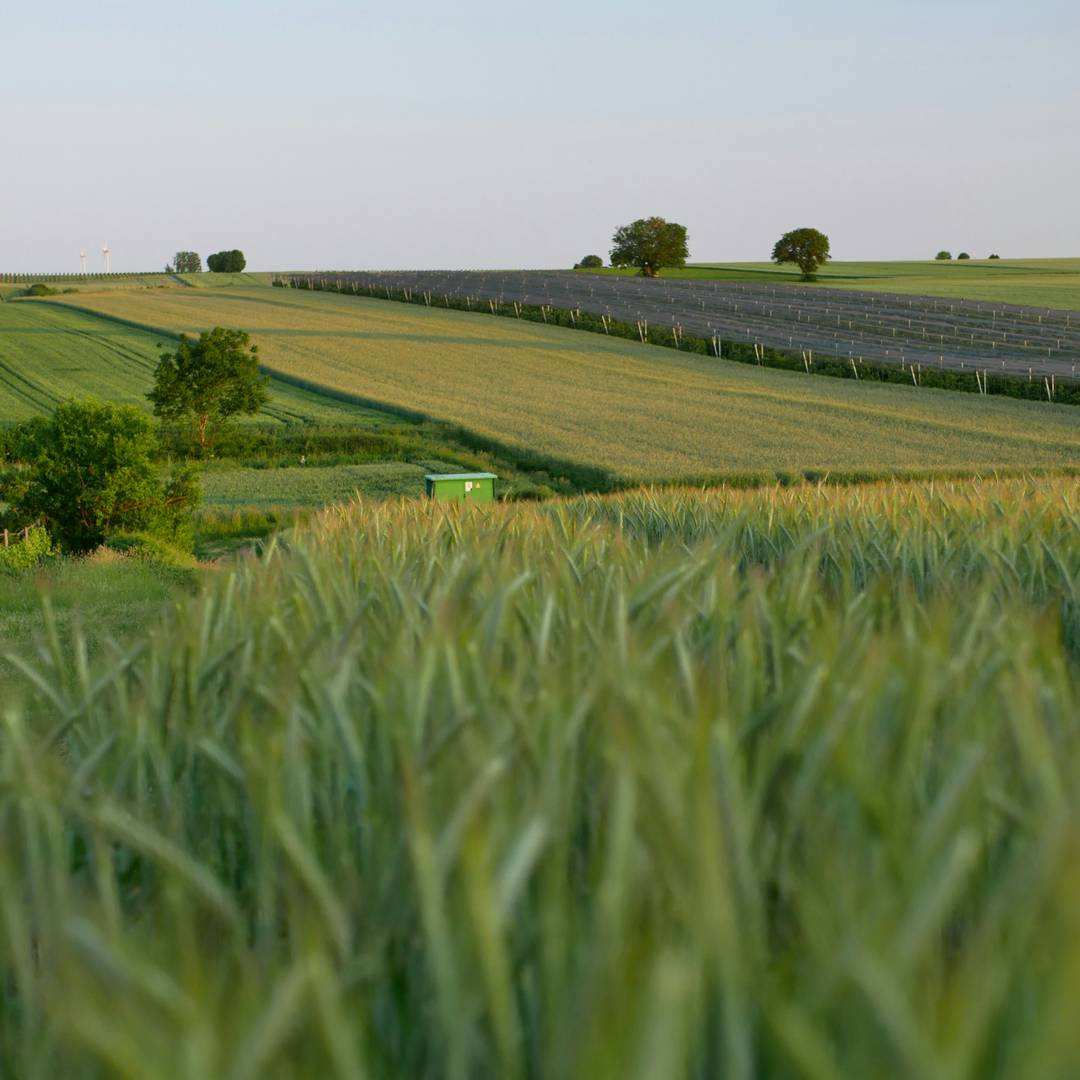
Recent Advances in Nano-Enabled Seed Treatment Strategies for Sustainable Agriculture: Challenges, Risk Assessment, and Future Perspectives
While the journey of a crop begins with a single seed, this tiny starting point is often the most vulnerable to the harsh environmental stresses that threaten our global food supply. While traditional chemical treatments can boost germination, they frequently cause lasting damage to our ecosystems,…
-

Biostimulants: A sufficiently effective tool for sustainable agriculture in the era of climate change?
In an era of global instability and climate crisis, finding ways to protect our food supply without harming the planet has never been more urgent. Climate change is currently a primary concern for the agricultural sector because it directly limits both the quantity and quality of…
-

Enhancing climate change resilience in agricultural crops
Climate change poses a significant threat to global food and nutritional security by negatively affecting crop growth and agricultural productivity. Many countries have adopted ambitious mitigation and adaptation targets that require major changes to existing agri-food systems, which may further complicate these challenges. To address this,…
-
Fungi of the Trichoderma Genus: Future Perspectives of Benefits in Sustainable Agriculture
The negative impact of chemical pesticides on the environment and human health has contributed to the introduction of legal regulations that ensure the reduction in the use of agrochemicals in favor of biological products. The existing review of the literature, including our research, clearly shows that…
-

R&D Collaboration, Competitiveness Development, and Open Innovation in R&D
While the competitiveness of the agro-industrial sector is tied to its specific performance, it also depends heavily on the character and degree of innovation. Research and development (R&D) collaboration is a vital tool for helping agri-food companies integrate biotechnology and offer innovative products, which adds value…
-
A scoping review on incentives for adoption of sustainable agricultural practices and their outcomes
We need to change how we farm to protect the planet, the real challenge lies in understanding what actually convinces a farmer to make that switch. As the pressure to feed a growing world increases, moving toward sustainable practices is no longer optional. In this massive…
-

Effect of Bio-Based Products on Waste Management
End-of-life management for bio-based products focuses on recycling as a primary method to reduce landfilling. These materials are advantageous because they primarily utilize renewable resources. Bioplastics are suitable for several waste management paths, including reuse, mechanical recycling, organic recycling, and energy recovery. The researchers note that…
-

Role of New Plant Breeding Technologies for Food Security and Sustainable Agricultural Development
While the Green Revolution changed how we feed the world, new breeding technologies are now needed to address its shortcomings and secure a more sustainable future. These new tools, which include both genetically modified and gene-edited crops, offer significant potential for agricultural development and global food…
-
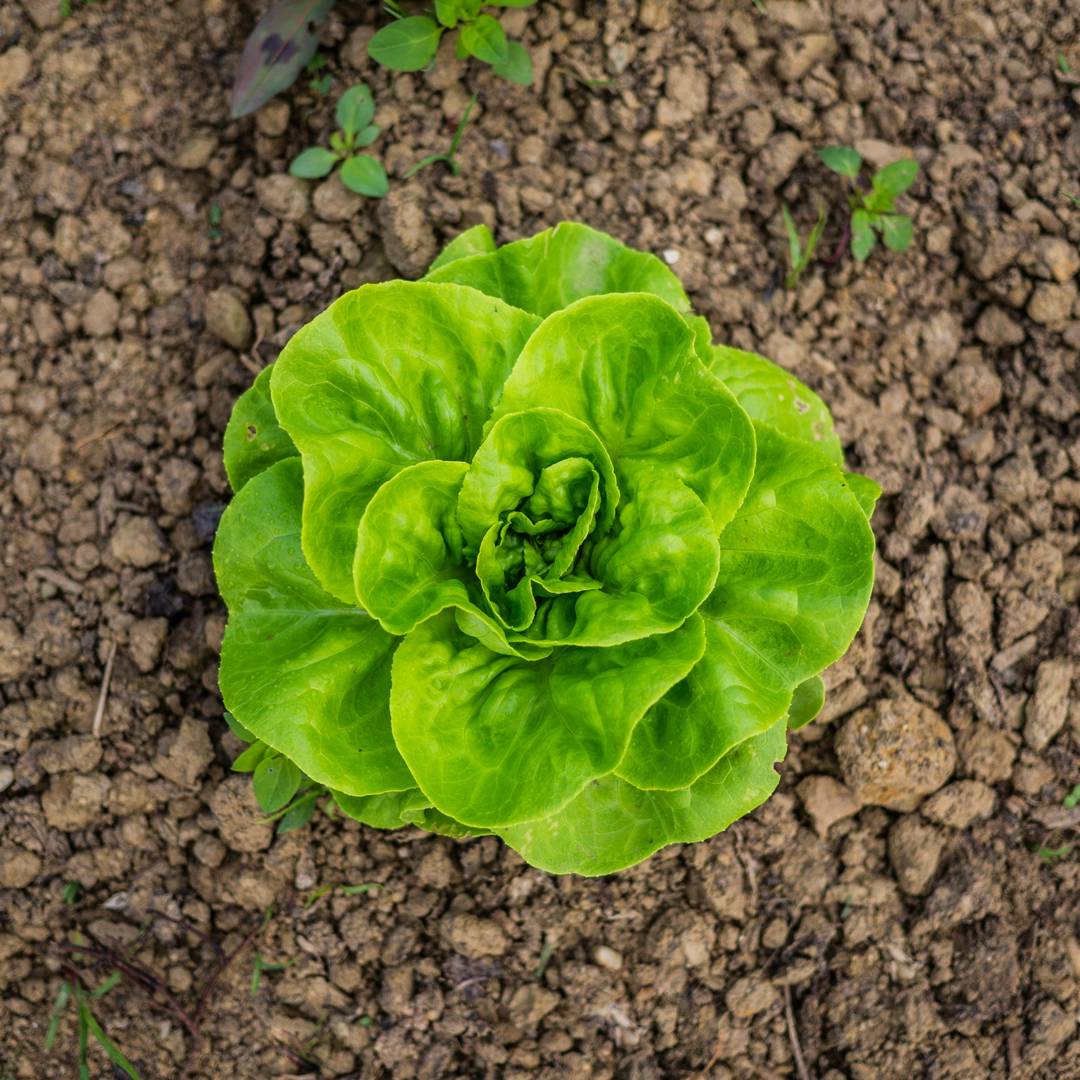
Plant biodiversity promotes sustainable agriculture directly and via belowground effects
While the link between plant biodiversity and healthy ecosystems is well known, we are only beginning to understand how much of this success depends on the invisible world of soil microbes. The way a plant community is structured directly influences the diversity of microbes in the…
-

Production of Sustainable and Biodegradable Polymers from Agricultural Waste
Agricultural wastes—derived from sources such as grape and tomato pomace, fruit peels, sugarcane bagasse, rice husks, and wheat straw—serve as carbon-rich precursors for producing bio-based polymers. These materials are processed through microbial synthesis, biopolymer blending, and chemical methods. Developing these alternatives is essential given that less…
-

Long-term evidence for ecological intensification as a pathway to sustainable agriculture
While we often look for high-tech solutions to fix our food systems, returning to ecological principles might be the most reliable way to keep agriculture within a “safe operating space” for humanity. By applying a new type of analysis to data from 30 long-term experiments across…
-

The role of renewable energy and natural resources for sustainable agriculture in ASEAN countries: Do carbon emissions and deforestation affect agriculture productivity?
The shift toward the Sustainable Development Goals in 2015 put a global spotlight on how we manage our planet, in Southeast Asia, environmental damage is already taking a measurable toll on the region’s ability to produce food. Agricultural productivity—a vital part of reaching those global goals—is…
-

Bacillus as a source of phytohormones for use in agriculture
Microbial plant biostimulants are an efficient tool in sustainable agriculture because they improve crop productivity and quality by activating a plant’s physiological and molecular processes. Through the production of phytohormones, these biostimulants regulate plant processes and offer an efficient alternative for the industrial production of these…
-

Plant-Microbe Interaction in Sustainable Agriculture: The Factors That May Influence the Efficacy of PGPM Application
While the world is under pressure to produce more food than ever, our long-term reliance on chemical fertilizers and pesticides has left a trail of environmental damage that we can no longer ignore. To meet the soaring global food demand in the coming decades, we need…
-

Advancing Sustainable Agriculture: A Comprehensive Review for Optimizing Food Production and Environmental Conservation
Advances in sustainable agriculture are essential for simultaneously optimizing food production and preserving the environment. As the global population increases, ensuring food security has become a paramount issue. While conventional farming techniques are effective for mass production, they pose serious threats to sustainability due to excessive…
-
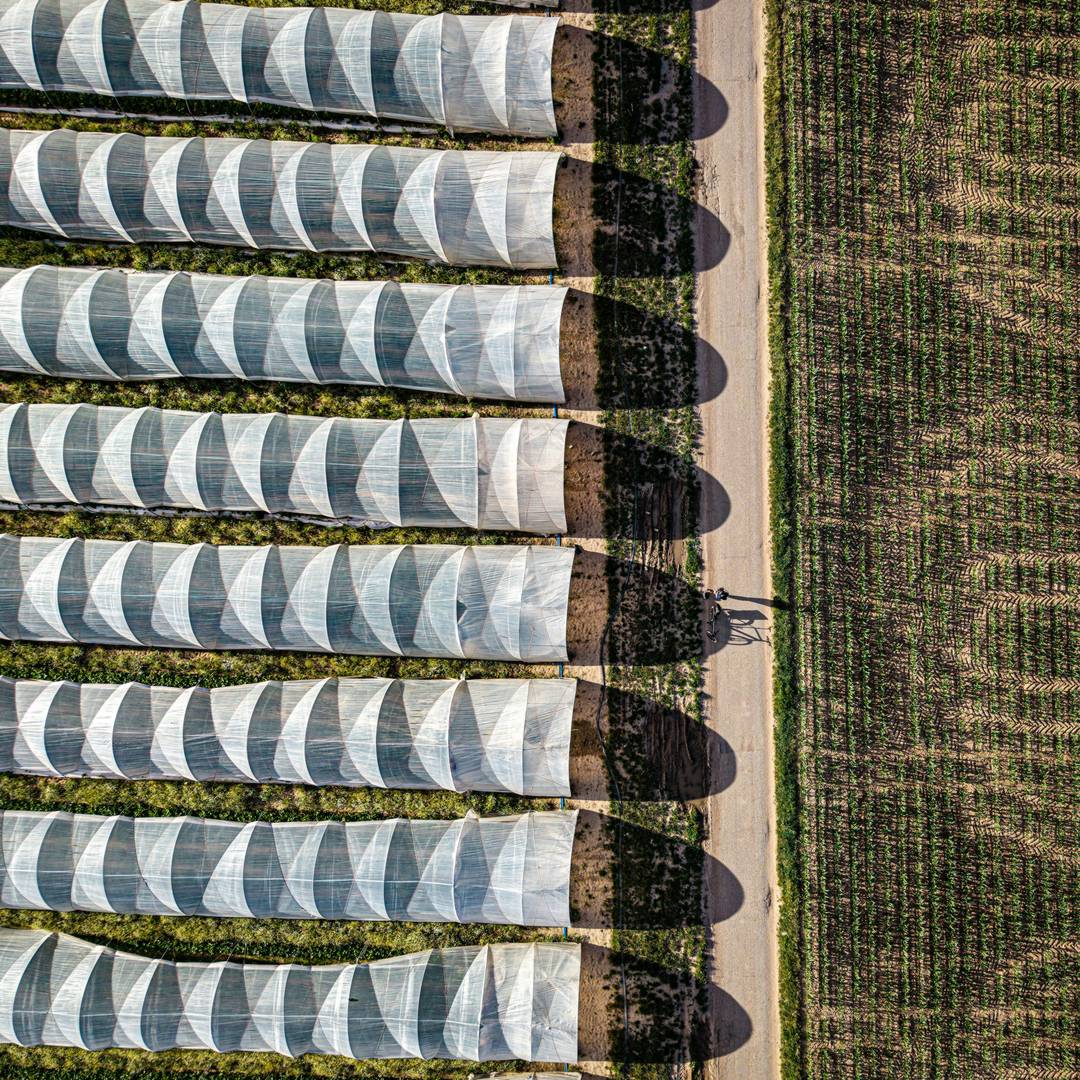
Toward a Sustainable Agriculture Through Plant Biostimulants: From Experimental Data to Practical Applications. Agronomy
While modern farming has long relied on synthetic chemicals, a shift toward natural alternatives is now essential to meet new international regulations and the growing consumer demand for food without toxic residues. Plant biostimulants—which include beneficial microbes like certain bacteria as well as non-microbial substances like…
-
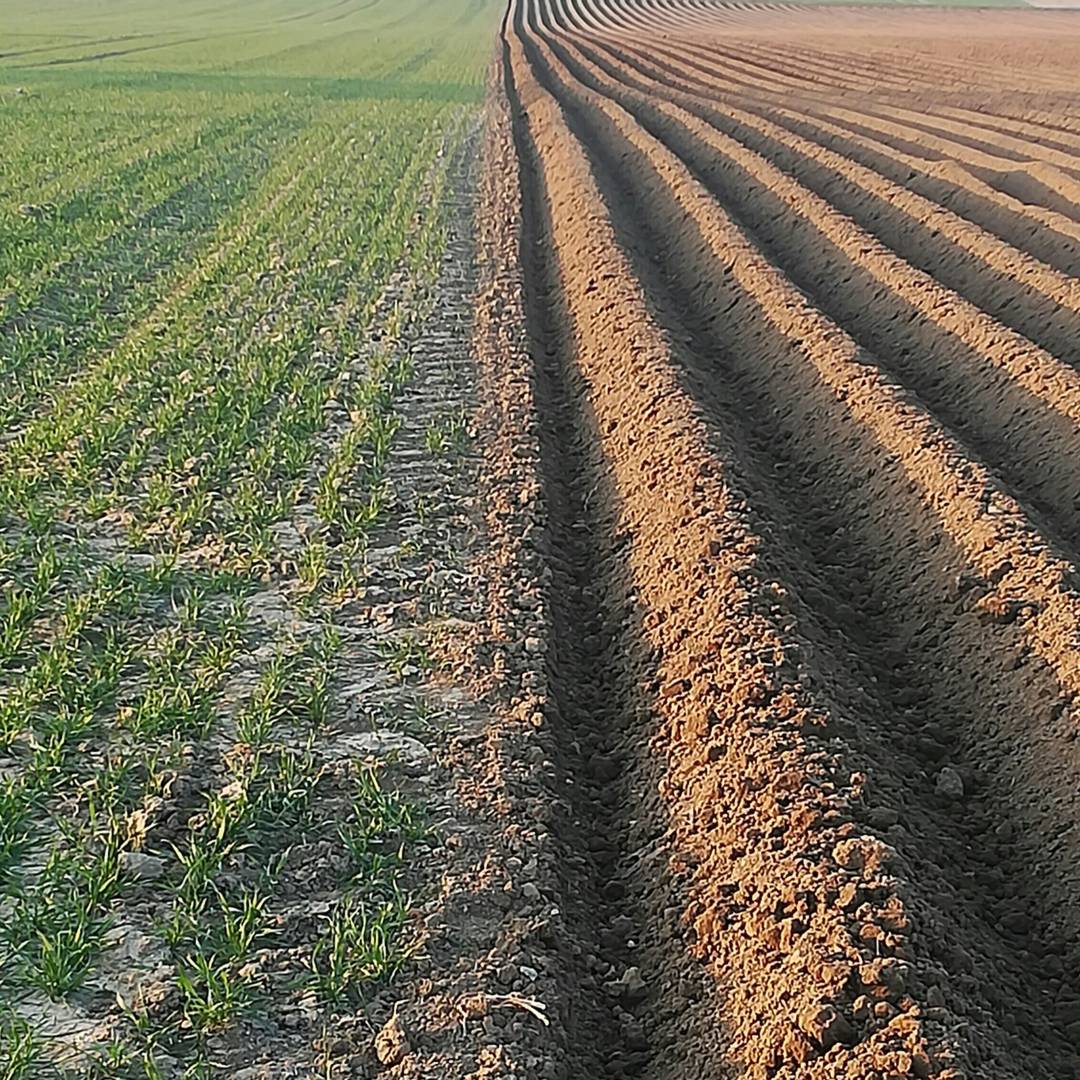
Nanotechnology Potential in Seed Priming for Sustainable Agriculture. Nanomaterials
While we often look for ways to protect plants as they grow, the real secret to a sustainable agricultural revolution might actually start much earlier, hidden inside the seed itself. Our current farming systems are under constant threat from climate change and the loss of natural…
-
Biosensors to support sustainable agriculture and food safety
Ensuring that the food we eat is safe is a challenge that affects every person on the planet, but we still need better and more affordable ways to detect hidden contaminants. While food safety remains a major hurdle for human health, biosensors have long been viewed…
-

How to innovate business models for a circular bio‐economy?
Shifting from a linear to a circular bio-economy requires the development of new business models, particularly within the agrifood sector. The researchers studied eight European cases that focus on valorizing agricultural waste and by-products by closing loops or cascading materials. Through interviews and site visits, the…
-
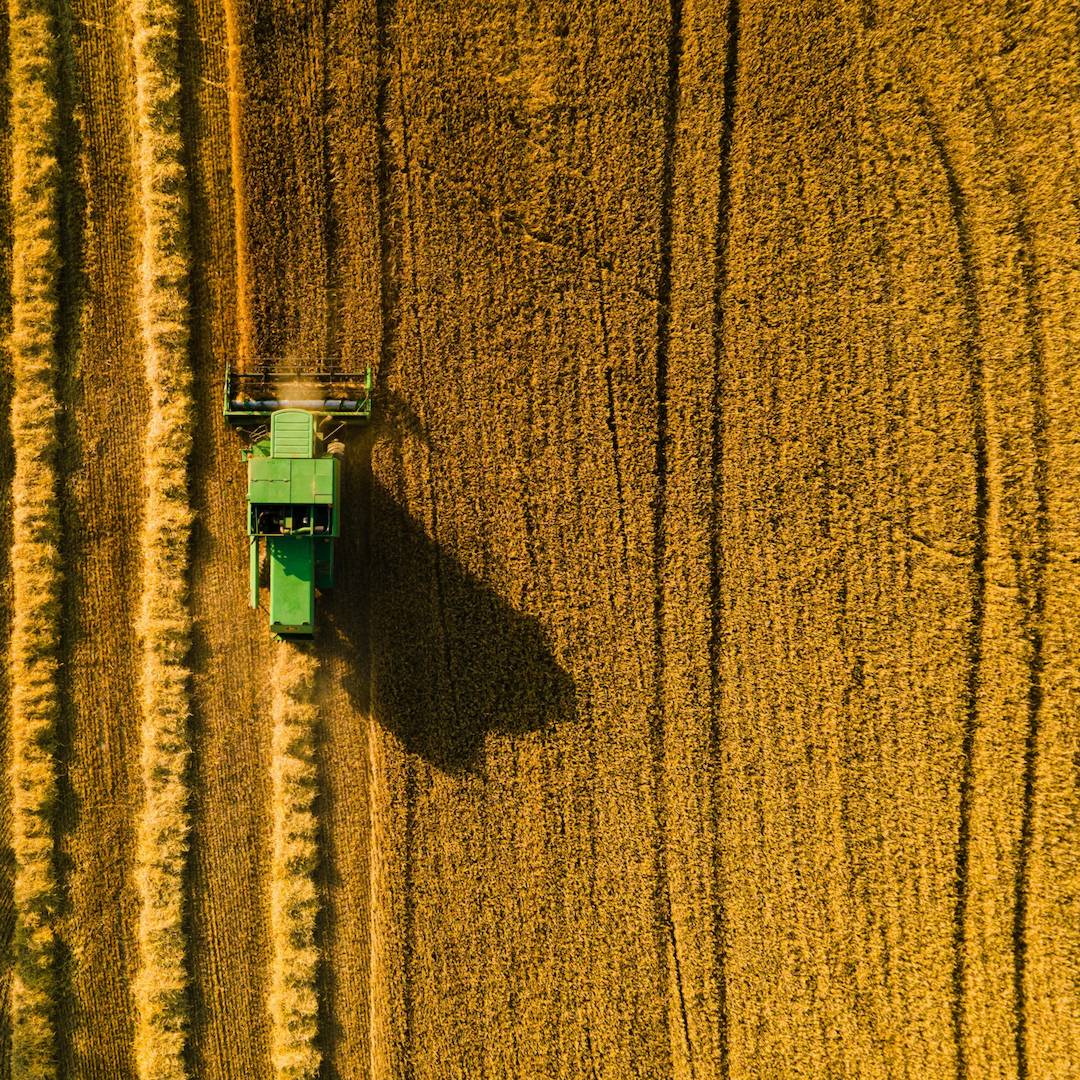
Sustainable agriculture by the Internet of Things – A practitioner’s approach to monitor sustainability progress
Technology like the Internet of Things is often praised for its potential, measuring its actual impact on the ground remains a major challenge for the agricultural sector. While digital tools hold great promise for meeting economic, environmental, and social goals, is often difficult to prove exactly…
-

Engineering rhizobacteria for sustainable agriculture
While we often think of farming as just seeds and soil, invisible world of bacteria living around plant roots could be the key to feeding our rapidly growing population. Using “plant growth-promoting” bacteria as crop treatments could drive a new era of sustainable farming, yet these…
-

Sustainable Agriculture Systems in Vegetable Production Using Chitin and Chitosan as Plant Biostimulants
While searching for ways to boost crop yields, biodegradable, and nontoxic compounds like chitin and chitosan are gaining attention for their contribution to agro-environmental sustainability. These substances act as plant growth promoters and help defend against both biological and environmental stress conditions. According to the study,…
-

Nano-biofertilizers as bio-emerging strategies for sustainable agriculture development: Potentiality and their limitations
While our modern food systems rely heavily on synthetic chemicals, a 21st-century technological revolution might finally offer a way to protect our planet and our food supply at the same time. Climate emergencies and our long-term dependence on synthetic fertilizers have created serious risks for the…
-
Combined use of Trichoderma and beneficial bacteria (mainly Bacillus and Pseudomonas): Development of microbial synergistic bio-inoculants in sustainable agriculture
While agriculture struggles to feed a growing population through environmentally friendly means, combining different types of microorganisms could be the key to more sustainable production. Fungi like Trichoderma and bacteria such as Bacillus or Pseudomonas are effective on their own, using them together creates a powerful…
-
A systematic literature review on machine learning applications for sustainable agriculture supply chain performance
While data is often associated with offices and computers, it may actually be the most important tool we have to protect the future of global food security. While agriculture is the backbone of all human activity, it is currently facing massive threats from a growing population…
-

Plant extracts—Importance in sustainable agriculture
While plants have long been used as raw materials for products like food and medicine, their high content of bioactive compounds makes them ideal for creating a new generation of bio-products for agriculture. Various parts of the plant—including seeds, flowers, stems, and roots—can be used to…
-

Unlocking plant resources to support food security and promote sustainable agriculture
While we rely on just a handful of crops to feed the world, thousands of edible plants are effectively hidden in plain sight, waiting to help solve the global food crisis. As our population grows, humanity is facing a double challenge of both hunger and obesity.…
-
Bio-waste valorisation: Agricultural wastes as biosorbents for removal of (in)organic pollutants in wastewater treatment
While traditional waste management often relies on the disposal or incineration of agricultural and forestry waste, these practices contribute to environmental pollution while misusing biomass—a valuable resource with significant reuse potential. Agricultural cultivation and harvesting generate an abundance of waste, such as stones, shells, and straw,…
-

Optimizing sustainable agriculture: A comprehensive review of agronomic practices and their impacts on soil attributes
While we often focus on the crops we see above ground, the true secret to long-term food security lies in how we manage the soil beneath our feet. Various agronomic management practices affect different soil parameters under a wide range of conditions. The researchers investigate several…
-
Water‐soluble polymers in agriculture: Xanthan gum as eco‐friendly alternative to synthetics
While water-soluble polymers (WSPs) are versatile chemicals used across industries for thickening and stabilizing, synthetic versions—often termed “microplastics”—are under increasing scrutiny due to environmental concerns and tightening regulations. Microbial polysaccharides, specifically xanthan gum, represent an advantageous compromise between synthetic and plant-derived materials because their properties can…
-
Challenges and potential pathways towards sustainable agriculture within the European Green Deal
While the European Green Deal sets ambitious goals for our food systems, the real challenge lies in turning these high-level policies into actual change on the ground. Agriculture is right at the heart of this plan, with strategies like “Farm to Fork” and the “Soil Strategy”…
-

Improvement of Plant Responses by Nanobiofertilizer: A Step towards Sustainable Agriculture.
As the climate changes and human impact grows, finding new ways to protect our global food supply has become an urgent priority. With traditional farming methods struggling to keep up with a growing population, there is a clear need for affordable and eco-friendly strategies that don’t…
-

Insect frass in the development of sustainable agriculture. A review.
Could the waste from one of the world’s newest industries be the secret to a greener food system? As the global population keeps growing, the industrial farming of insects for food and feed is becoming a much more efficient way to produce protein than traditional livestock.…
-

CO2 Emissions and Sustainable Economic Development: New Evidence on the Role of Human Capital
Does the path to a cleaner planet begin in the classroom, or could education actually be accelerating our environmental footprint in the short term? While many believe that higher income naturally leads to a cleaner environment, the data on this theory—known as the Environmental Kuznets Curve—has…
-

Application and Characterization of Metamodels based on Artificial Neural Networks for Building Performance Simulation: A Systematic Review
As the global demand for energy-efficient buildings grows, traditional simulation tools are becoming too slow to keep up with the complexity of sustainable design. This research presents a comprehensive review of Artificial Neural Networks (ANNs) as a high-speed solution for Building Performance Simulation (BPS). By acting…
-

Towards Circular and more Sustainable Buildings: A Systematic Literature Review on the Circular Economy in the Built Environment
This comprehensive review of over 300 academic papers provides a clear map of how the built environment is transitioning toward a Circular Economy (CE). While the research confirms a global shift toward circular thinking (particularly in Europe and China) it also exposes a significant gap: most…
-

Smart Eco-City Strategies and Solutions for Sustainability: The Cases of Royal Seaport, Stockholm, and Western Harbor, Malmö, Sweden
This research evaluates the “Eco-City” district as a primary response to the global challenges of sustainable development, focusing on twon landmark Swedish cases: Royal Seaport (Stockholm) and Western Harbor (Malmö). The study identifies that successful sustainable urbanism relies on the synergy of three core pillars: Design,…
-

A Bibliometric Review of Research on Sustainable Construction, 1994–2018
How did we get from simple recycling to the complex “Smart Cities” of nowadays? This bibliometric study provides a bird’s-eye view of the entire global body of research on Sustainable Construction from 1994 to 2018. By analyzing thousands of academic papers, the authors demonstrate that the…
-

Simulation Optimisation Towards Energy Efficient Green Buildings: Current Status and Future Trends
While computer simulation has long been used to predict building energy use, this research highlights an evolution toward integrated optimization. By critically reviewing existing studies, the authors identify a growing trend of using machine learning and parametric modeling to automate the search for sustainable design solutions.…
-

Production of Sustainable Construction Materials Using Agro-Wastes
The construction industry is under intense pressure to reconcile rapid urbanization with the urgent need to protect dwindling natural resources. This research identifies agro-waste—specifically the ashes and fibers from crops like rice, sugarcane, and bamboo—as a potent alternative for developing sustainable building materials. By reviewing the…
-

Enhancing the Circular Economy with Nature-Based Solutions in the Built Urban Environment: Green Building Materials, Systems and Sites
Can we design cities that function like forest? This research makes the case for Nature-Based Solutions (NBS) as the “missing link” in our transition to a circular economy. By moving away from synthetic, linear materials and embracing biocomposites and vegetated building systems, we can create urban…
-

Design for Deconstruction Using a Circular Economy Approach: Barriers and Strategies for Improvement
While the circular economy offers a clear path to sustainability, the construction industry faces a significant “implementation gap” when it comes to Design for Deconstruction (DfD). This study identifies 26 specific barriers—ranging from weak legislation to a lack of effective digital tools—that keep the industry stuck…
-
Circular Economy Strategies for Adaptive Reuse of Cultural Heritage Buildings to Reduce Environmental Impacts
The “greenest” building is sometimes the one that has remained after many years. This research explores how Circular Economy strategies can breathe new life into abandoned or underutilized cultural heritage buildings, transforming them from relics of the past into facilitator for a sustainable future. By focusing…
-

Life Cycle Environmental Impact Assessment to Manage and Optimize Construction Waste using Building Information Modeling (BIM)
Can we stop construction waste before it even happens? Most waste management strategies focus on what to do with a building once it’s demolished, but this research argues that we need to start tracking waste from the begining, esentially from the planing stage. By developing a…
-

The Triple Bottom Line and Sustainable Economic Development Theory and Practice
The concept of the Triple Bottom Line (TBL) challenges us to redefine success by equally weighing economic, environmental, and social value. While this framework is essential to the broader conversation on sustainability, it has surprisingly received very little formal attention within the specific field of economic…
-
Innovation trends in industrial biotechnology
While microbial fermentation is already used for the sustainable creation of various products, there is still a set to play an even larger role in the food sector. This shift is driven by increasing trends toward plant-based foods and substitutes for meat and dairy. According to…
-
Environmental impacts of genetically modified (GM) crop use 1996–2018: Impacts on pesticide use and carbon emissions
Crop biotechnology, specifically the use of genetically modified (GM) crops, has significantly altered the environmental footprint of global agriculture since their widespread commercialization over two decades ago. The researchers point out that the adoption of insect-resistant and herbicide-tolerant technology has led to a reduction in pesticide…
-

Transitions to Democracy in Southern and Eastern Europe
Values that Unite Us: Transitions to Democracy in Southern and Eastern Europe Keywords: Democracy, Democratic transition, Gender, Democratic engagement and civic participation, Extremism, Raising awareness of children and/or young people, European Values; Eastern transition to democracy; Southern transition to democracy Objective: This project aims to explore…
-
Bioeconomy: Biomass and biomass-based energy supply and demand
Transitioning from a fossil-fuel-dependent economy to a bio-based one involves navigating a complex web of competing demands for food, feed, bioenergy, and materials. The researchers point out that while the potential for non-food biomass is vast, food security must remain the absolute priority when determining how…
-
A Literature Review of Sustainable Building Research: Bibliometric Analysis from 2015–2025
The conversation around sustainable building is no longer just about adding solar panels; it has evolved into a complex, high-tech landscape that touches everything from the molecules in our concrete to the algorithms managing our thermostats. This recent 2025 study provides a bird’s-eye view of this…
-

The soil crisis: The need to treat as a global health problem and the pivotal role of microbes in prophylaxis and therapy
Soil provides essential services for a healthy biosphere and human survival, such as feeding the global population and sequestering carbon to counteract global warming. However, the researchers point out that Earth is currently facing an unprecedented crisis of soil deterioration, desertification, and erosion caused by anthropogenic…
-

Facilitating Construction 5.0 for Smart, Sustainable and Resilient Buildings: Opportunities and Challenges for Implementation
While we are still adjusting to the digital shift of “Construction 4.0,” a new frontier has already emerged: Construction 5.0. This evolution represents a shift in philosophy, moving beyond mere automation to prioritize a harmonious collaboration between advanced technology and human well-being. This research explores the…
-

EU Ambassadors for European Remembrance
Proposal: Understanding of European integration and its societal impacts Keywords: European identity, Inter-cultural dialogue, Democracy, Democratic transition, Youth Objective: This project endeavours to counteract the growing influence of nationalist policy movements and educate young Europeans on the EU by bridging historical narratives with contemporary challenges, focusing…
-

Transitions to Democracy of the Southern European Countries
Proposal: The international factor in the transitions to democracy of the southern European countries Keywords: Democratic transition, EU accession, European identity, Rule of law, Political systems and institutions, Governance, Reconciliation, EU values; Human Rights; Fighting populism Objective: Spain, Portugal and Greece joined the European Communities during…
-

Empowering Young People to Combat Anti-Semitism
Proposal: Empowering young people to combat anti-Semitism and promoting inclusive Holocaust histories for a peaceful Europe through living libraries Keywords: Holocaust, Combatting Anti-Semitism, Youth, Europe in a changing world Objective: The project addresses the lack of historical knowledge about the Holocaust and World War II, particularly…
-
Sustainable Energy Development and Sustainable Economic Development in EU Countries
Is it possible to have a sustainable economy without first having a sustainable energy system? This research addresses a critical gap in economic theory by mapping the direct correlation between energy and economic development across the EU. Using data from 2014 to 2021, the study demonstrates…
-
Catalysts for Sustainable Energy Transitions: The Interplay Between Financial Development, Green Technological Innovations, and Environmental Taxes in European Nations
Policy without data is just guesswork. This research provides a data-driven look at how European nations can accelerate their shift away from fossil fuels by managing a “Golden Triangle” of drivers: Financial Development, Green Innovation, and Strategic Growth. Using advanced FMOLS and DOLS modeling, the authors…
-
The Role of Environmental Regulations, Renewable Energy, and Energy Efficiency in Finding the Path to Green Economic Growth
Do strict environmental laws help or hurt the economy? This research examines 20 years of data across the European Union to find the answer. By using the Global Malmquist–Luenberger index, the study measures “Green Economic Growth”—a metric that counts GDP gains while “penalizing” for carbon emissions.…
-
Greenfield Investment as a Catalyst of Green Economic Growth
If we want to stop depleting our planet’s resources while still growing our economies, we need to rethink where our money goes. This research investigates the power of “Greenfield” investments—building new, sustainable infrastructure from the floor up—as the ultimate catalyst for green growth. By analyzing EU…
-

Embodied Energy in Existing Buildings as a Tool for Sustainable Intervention on Urban Heritage
As we shift our focus toward a truly circular economy, we are discovering that the “greenest” building might not be the one with the most solar panels, but the one that already exists. This research dives into the critical, yet often overlooked, concept of embodied energy—the…
-

Is Europe on the Way to Sustainable Development? Compatibility of Green Environment, Economic Growth, and Circular Economy Issues
This research dives into the complex “three-way” relationship between environmental health, economic growth, and the circular economy across 31 European nations. Covering the decade from 2009 to 2020, the study investigates a critical paradox: how can we keep our economies growing (GDP) without drowning in the…
-

Towards Digital Twin Driven Cultural Heritage Management: A HBIM-Based Workflow for Energy Improvement of Modern Buildings
Europe’s historic skyline presents a unique challenge: how do we drag buildings from the 1920s into the 2020s without losing their architectural soul? This research tackles the “modernization dilemma” facing asset managers who must meet strict energy-efficiency regulations while preserving the identity of listed buildings. The…
-
The Relationship Between Economic Growth and CO2 Emissions in EU Countries: A Cointegration Analysis
Can we grow our economies without warming the planet? This research explores the long-term relationship between GDP and carbon emissions across the European Union. Using advanced statistical modeling, the authors reveal that while the EU is making progress, every 1% of economic growth still carries a…
-

Economic Sustainable Development Goals: Assessments and Perspectives in Europe
This study provides a rigorous ranking of 27 European nations based on their ability to balance economic growth with environmental and social responsibility. By analyzing 35 specific indicators across the five “economic” Sustainable Development Goals (SDGs 7, 8, 9, 11, and 12), the researchers utilized a…
-
In Search of a Financial Model for a Sustainable Economy
Traditional financial models often treat money as a neutral tool, but in a world facing climate change, the “financial sphere” must evolve to support the “real sphere.” This research explores how sustainable finance acts as the glue that binds these two worlds together. By examining the…
-
Green Deal, Green Growth and Green Economy as a Means of Support for Attaining the Sustainable Development Goals
Is a “Green Economy” just a buzzword, or a viable roadmap for our future? This research peels back the layers of contemporary environmental economics to define what it truly means to “green” our global processes. By synthesizing indicators from the world’s leading economic institutions—from the World…
-

The Key to Sustainable Economic Development: A Triple Bottom Line Approach
Does protecting the planet have to come at the cost of the economy? This study explores the “Triple Bottom Line”—the idea that a country’s success depends on the harmony of social, environmental, and economic factors. By analyzing data from OECD countries over 14 years, the research…
-

Geopolymer Concrete as Green Building Materials: Recent Applications, Sustainable Development and Circular Economy Potentials
Traditional concrete is a major contributor to global greenhouse gas emissions, creating an urgent need for eco-friendly alternatives. This systematic review identifies Geopolymer Concrete (GeoC) as a superior “green” material that leverages diverse industrial and agricultural wastes as its primary ingredients. The research demonstrates that GeoC…
-

Macroeconomic Stability and Transport Company’s Sustainable Development in the Eastern European Union
Can a transport company go green in an unstable economy? This research argues that the answer is largely “no.” For transport firms in Eastern Europe, macroeconomic stability is the single most important predictor of sustainable growth. Using the “Pentagon of Stability”—which tracks everything from inflation to…
-

Economic Development of the European Union in the Relation of Sustainable Development—Taxonomic Analysis
Is the European Union becoming more unified or more divided in its quest for sustainability? This research utilizes advanced taxonomic methods to analyze the economic development of 27 EU member states through the lens of the Sustainable Development concept. By comparing data from 2014 and 2019,…
-

Building Envelopes Toward Energy‐Efficient Buildings: A Balanced Multi‐Approach Decision Making
Designing zero-energy buildings in developing countries is a significant challenge due to a lack of viable techniques and the high cost of energy-saving investments. This research addresses this gap by evaluating retrofitting strategies for institutional buildings across three distinct hot climate zones in Egypt. By using…
-

Review of Urban Building Energy Modeling (UBEM) Approaches, Methods and Tools using Qualitative and Quantitative Analysis
How can city planners predict the energy needs of thousands of buildings at one? This research reviews the urban building energy modeling as a possible solution, a methodology that allows for large-scale energy estimation and policy testing. By performing a SWOT analysis on current tools, methods…
-

Implementing Circular Economy Strategies in Buildings—From Theory to Practice
How do we stop buildings from becoming the landfills of tomorrow? This research explores the transition of the construction industry from a linear “take-make-waste” model to an innovative Circular Economic model to addres the practical gap: how to transform buildings from temporary structures to permanent “banks”…
-

Sustainable Material Choice for Construction Projects: A Life Cycle Sustainability Assessment Framework based on BIM and Fuzzy-AHP
Sustainability in construction is often misunderstood as a purely environment goal, neglecting the vital social and economic dimensions of a project. This research addresses this gap by proposing a decision-making framework that allows construction professionals to evaluate material choices through a Life Cycle Sustainability Assessment (LCSA).…
-

Sustainability in Building and Construction within the Framework of Circular Cities and European New Green Deal – The Contribution of Concrete Recycling
Can we build our way to carbon neutrality? According to this research, the answer lies in reimagining the lifecycle of our most common material: concrete. Within the ambitious framework of the European New Green Deal, this study explores how Eco-design and Life Cycle Assessment (LCA) can…
-
Sustainable Economic Development in Higher Education Institutions: A Global Analysis Within the SDGs Framework
Modern universities face a difficult balancing act: they must remain financially competitive while serving as leaders in the global movement toward sustainability. This research investigates the growth of Sustainable Economic Development (SED) within higher education institutions by analyzing the evolution of scientific research from 1990 to…
-

Fundamentals of Building Deconstruction as a Circular Economy Strategy for the Reuse of Construction Materials
Is the end of a building’s life actually an opportunity? This research reframes “deconstruction” as the backbone of a circular urban future. While traditional demolition is fast and cheap, it hides a massive environmental cost in the form of landfill waste and lost resources. By adopting…
-
Economic Development Trends in the EU Tourism Industry. Towards the Digitalization Process and Sustainability
“Economic development trends in the EU tourism industry. Towards the digitalization process and sustainability,” addresses the delicate balance between the economic benefits of tourism and its ecological costs. By examining the European Union’s tourism sector through three distinct lenses—Information and Communication Technology (ICT), Sustainable Development Goals…
-
Sustainable and Resilient Construction: Current Status and Future Challenges
The construction industry is at a crossroads. Recognized by the Intergovernmental Panel on Climate Change (IPCC) as a sector that must change, it faces the dual challenge of reducing its massive carbon footprint while simultaneously building structures that can survive an increasingly volatile climate. This editorial…
-
Comparison of Environmental Assessment Methods when Reusing Building Components: A Case Study
This research explores the lack of standardized Life Cycle Assessment (LCA) tools capable of measuring the environmental benefits of reusing building components from demolition sites. By testings six recognized carbon-accounting methodologies (including the Cut-off, End-of-life, and Environmental Footprint methods) on a Swiss case study (Kopfabu Halle…
-
The Components of Sustainable Development – A Possible Approach
For decades, we have used Gross Domestic Product (GDP) as the ultimate yardstick for progress, but can a single number truly capture the complexity of human survival and well-being? This research explores the three fundamental pillars of a sustainable society—the economic, the ecological, and the human—and…
-

Relationship Between Environment and Sustainable Economic Development: A Theoretical Approach to Environmental Problems
While the global pursuit of economic growth has successfully raised living standards for many, it has also pushed our natural resources to a breaking point, creating an urgent dilemma for future generations. This research investigates the essential link between environmental preservation and sustainable development, focusing on…