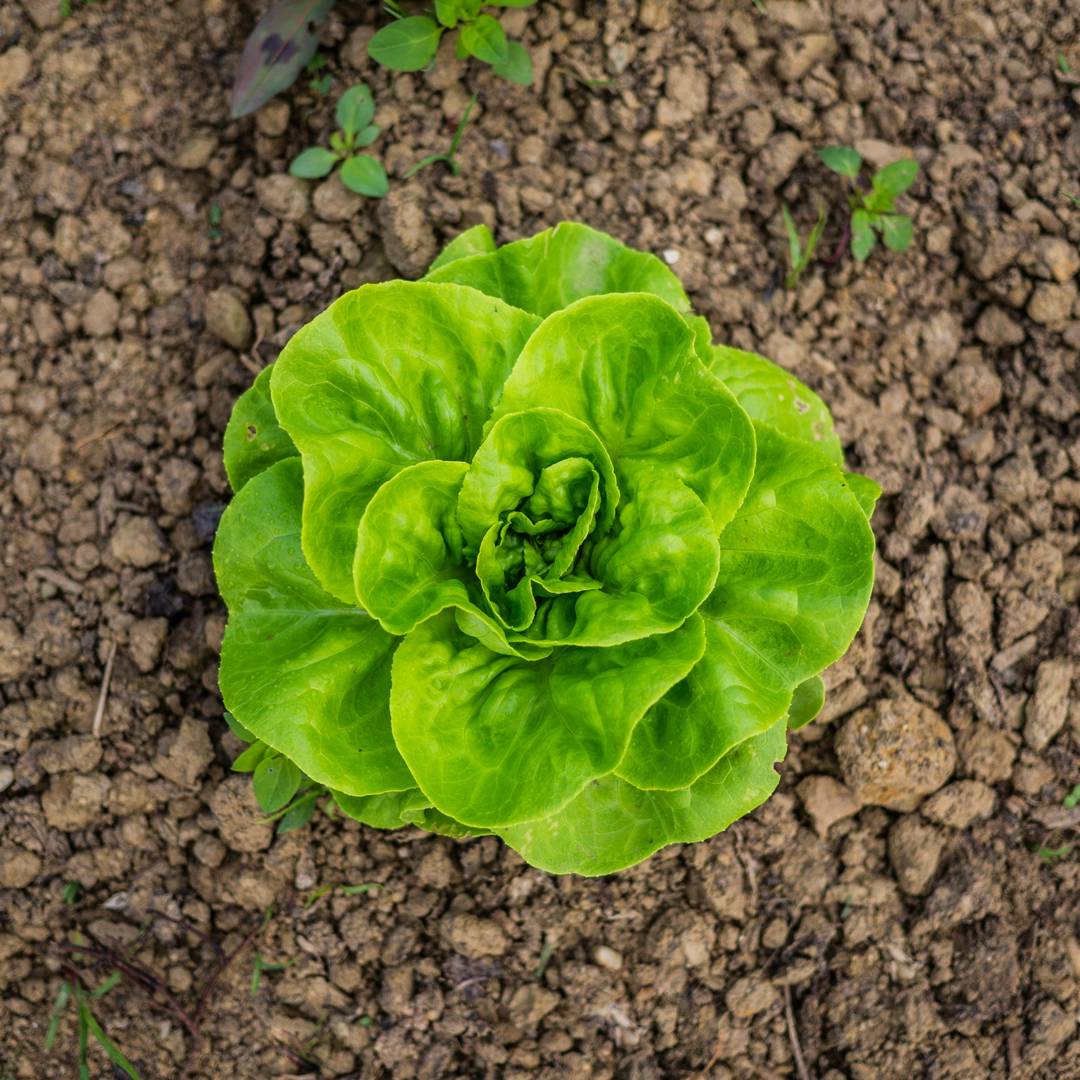
Tag: Biodiversity

  • Plant biodiversity promotes sustainable agriculture directly and via belowground effects

    Plant biodiversity promotes sustainable agriculture directly and via belowground effects

    While the link between plant biodiversity and healthy ecosystems is well known, the authors explain that we are only beginning to understand how much of this success depends on the invisible world of soil microbes.

    They point out that the way a plant community is structured directly influences the diversity of microbes in the soil, which in turn supports the very functions we need for sustainable agriculture. In this paper, the researchers outline both the direct “plant-driven” effects and the microbe-mediated mechanisms that contribute to a positive relationship between biodiversity and ecosystem functioning.

    They identify how this knowledge can be applied to plant diversification strategies to strengthen agroecosystems, which are often poor in species and highly vulnerable to environmental stress.

    As we face global change and the overexploitation of resources, the authors argue that bridging the gap between biodiversity science and actual farming practices is essential for ensuring food security in the Anthropocene.

    Learn more about this study here: https://doi.org/10.1016/j.tplants.2022.02.003


    Reference:

    Cappelli, S. L., Domeignoz-Horta, L. A., Loaiza, V., & Laine, A.-L. (2022). Plant biodiversity promotes sustainable agriculture directly and via belowground effects. Trends in Plant Science, 27(7), 674–687.

  • Advancing Sustainable Agriculture: A Comprehensive Review for Optimizing Food Production and Environmental Conservation

    Advancing Sustainable Agriculture: A Comprehensive Review for Optimizing Food Production and Environmental Conservation

    The authors explain that advances in sustainable agriculture are essential for simultaneously optimizing food production and preserving the environment. The researchers point out that as the global population increases, ensuring food security has become a paramount issue.

    While conventional farming techniques are effective for mass production, the study argues that they pose serious threats to sustainability due to excessive resource use, pollution, and the degradation of biodiversity. According to the review, sustainable agriculture promotes practices that are environmentally friendly, economically viable, and socially equitable.

    The researchers highlight the application of advanced technologies, including precision farming, genetically modified crops for higher yield and disease resistance, and the integration of renewable energy sources. The authors also emphasize agroecological practices such as crop rotation, organic farming, and agroforestry, which contribute to enhancing soil fertility and reducing the use of synthetic pesticides.

    Furthermore, the study supports the use of local resources and traditional knowledge to maintain ecological balance. Finally, the review underscores the crucial role of policy support, farmer training, and public awareness in promoting these practices, concluding that the adoption of sustainable agriculture is a necessity for ensuring future food security and environmental conservation.

    Learn more about this study: https://doi.org/10.9734/ijpss/2023/v35i163169


    Reference:

    Saikanth, D. R. K., Supriya, Singh, B. V., Rai, A. K., Bana, S. R., Sachan, D. S., & Singh, B. (2023). Advancing Sustainable Agriculture: A Comprehensive Review for Optimizing Food Production and Environmental Conservation. International Journal of Plant & Soil Science, 35(16), 417–425.

  • Unlocking plant resources to support food security and promote sustainable agriculture

    Unlocking plant resources to support food security and promote sustainable agriculture

    While we rely on just a handful of crops to feed the world, the authors explain that thousands of edible plants are effectively hidden in plain sight, waiting to help solve the global food crisis.

    As our population grows, the researchers point out that humanity is facing a double challenge of both hunger and obesity. They argue that biodiversity is essential to addressing this, though it requires a much deeper understanding of the food resources available to us globally.

    According to the study, there are at least 7,039 edible plant species, which stands in a huge contrast to the small number of crops that currently provide most of our calories and nutrients. The authors note that most of these species are multipurpose, frequently used for medicine, building materials, or environmental protection.

    While major food crops are concentrated in specific centers of diversity, the researchers find that other edible plants follow natural biodiversity patterns, with the highest variety found near the equator. Even though many of these species are being preserved in conservation banks, the authors highlight that at least 11% of them are currently threatened with extinction.

    To move forward, the study suggests focusing on these neglected and underutilized species to spark a new, community-driven “green revolution” that is more resilient and sustainable. They also explore how fungi could help diversify our diets and increase nutritional value.

    Ultimately, the authors conclude that these plants and the traditional knowledge surrounding them are a massive untapped resource for food security, but unlocking them will require much stronger collaboration between all stakeholders.

    Learn more about this study here: https://doi.org/10.1002/ppp3.10145


    Reference:

    Ulian, T., Diazgranados, M., Pironon, S., Padulosi, S., Liu, U., Davies, L., Howes, M. R., Borrell, J. S., Ondo, I., Pérez‐Escobar, O. A., Sharrock, S., Ryan, P., Hunter, D., Lee, M. A., Barstow, C., Łuczaj, Ł., Pieroni, A., Cámara‐Leret, R., Noorani, A., … Mattana, E. (2020). Unlocking plant resources to support food security and promote sustainable agriculture. PLANTS, PEOPLE, PLANET, 2(5), 421–445.