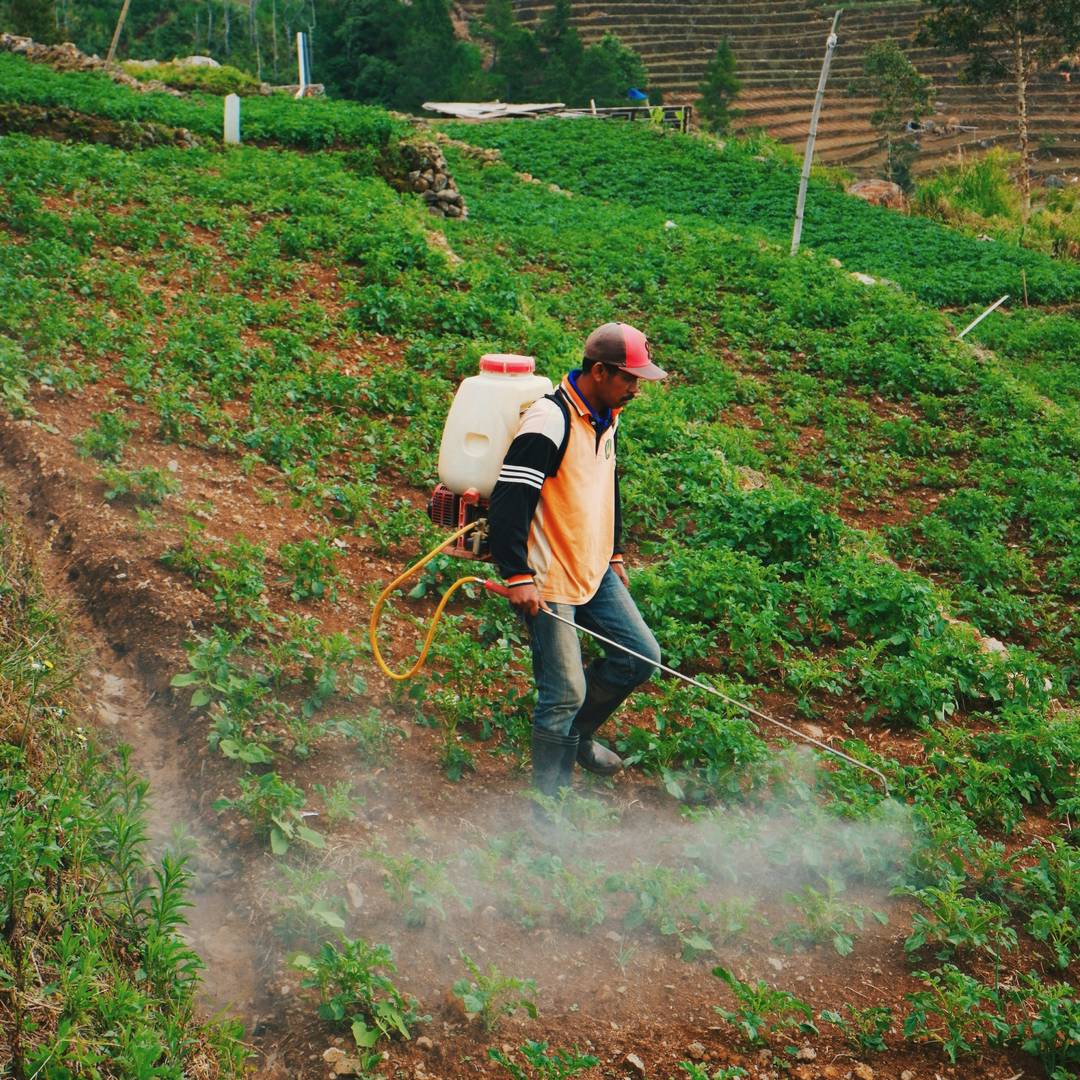
Sustainable weed management has become mandatory in the face of significant yield losses and the environmental pollution caused by the excessive use of synthetic herbicides.
The researchers point out that allelopathy—the biochemical interaction between plants through the release of secondary metabolites—is gaining popularity as an eco-friendly alternative. Although many crops possess this potential, the study notes that farmers remain reluctant to apply this knowledge practically, highlighting a need to assist both advisors and farmers in implementing allelopathic strategies.
According to the review, crops from various botanical families exhibit allelopathic properties and can be utilized through several flexible methods, such as crop rotation, intercropping, and the use of cover crops as living or dead mulches.
The authors highlight that these tools are most effective when combined into an integrated weed management strategy. Furthermore, recent advances in chemistry are facilitating the production of bioherbicides, while biotechnologies like genetic engineering and stress induction can enhance or even introduce allelopathic traits in crops.
Ultimately, the researchers recommend combining transgenic approaches with traditional allelopathic tools to maximize weed suppression, while emphasizing the urgent need for more field experiments using an integrated approach.
Learn more about this study here: https://doi.org/10.3390/agronomy11112104
Reference:
Scavo, A., & Mauromicale, G. (2021). Crop Allelopathy for Sustainable Weed Management in Agroecosystems: Knowing the Present with a View to the Future. Agronomy, 11(11), 2104.