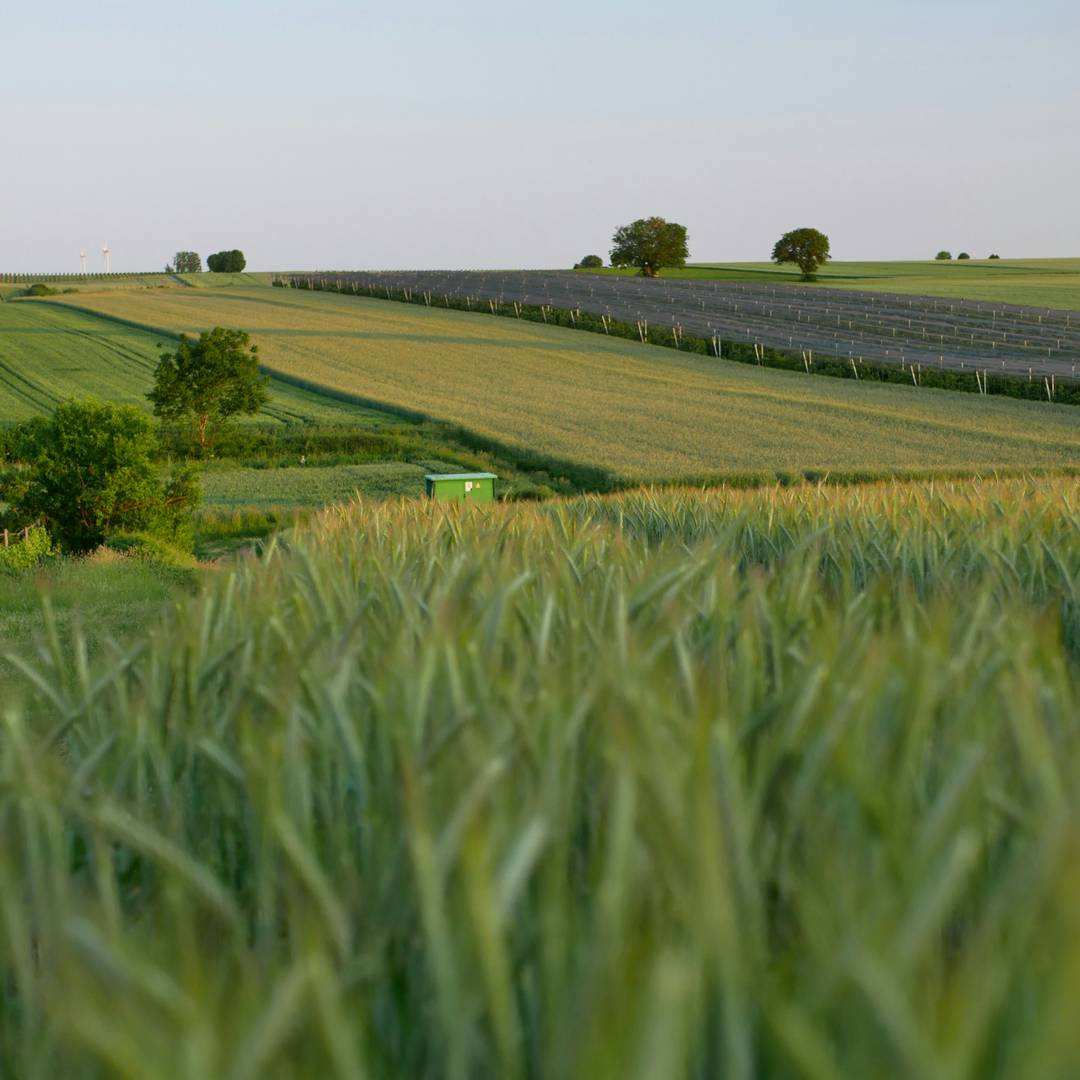
While feeding an expanding population is a central challenge, we must also safeguard the environment from the negative effects of climate change. They point out that food production and security are significant hurdles, as global output may need to double by 2050.
To meet this rising demand, the researchers highlight the need for more innovative approaches to increase the productivity of essential grains such as corn, wheat, rice, barley, and oats.The review focuses on how molecular technology and genetics can raise production and improve resource-efficient use of these important grains.
According to the study, red light management and genetic manipulation show the highest levels of yield enhancement, but other strategies are also effective. These include bacterial-nutrient management, solar brightening, and innovative systems for addressing abiotic stress.
The authors also cover fertilizer management, the reduction of harmful gas emissions, photosynthesis enhancement, and improvements in stress tolerance, disease resistance, and crop varieties. Ultimately, the study discusses the potential challenges and future perspectives of these advanced agricultural approaches.
Learn more about this study here: https://doi.org/10.3390/agronomy13071709
Reference:
Albahri, G., Alyamani, A. A., Badran, A., Hijazi, A., Nasser, M., Maresca, M., & Baydoun, E. (2023). Enhancing Essential Grains Yield for Sustainable Food Security and Bio-Safe Agriculture through Latest Innovative Approaches. Agronomy, 13(7), 1709.