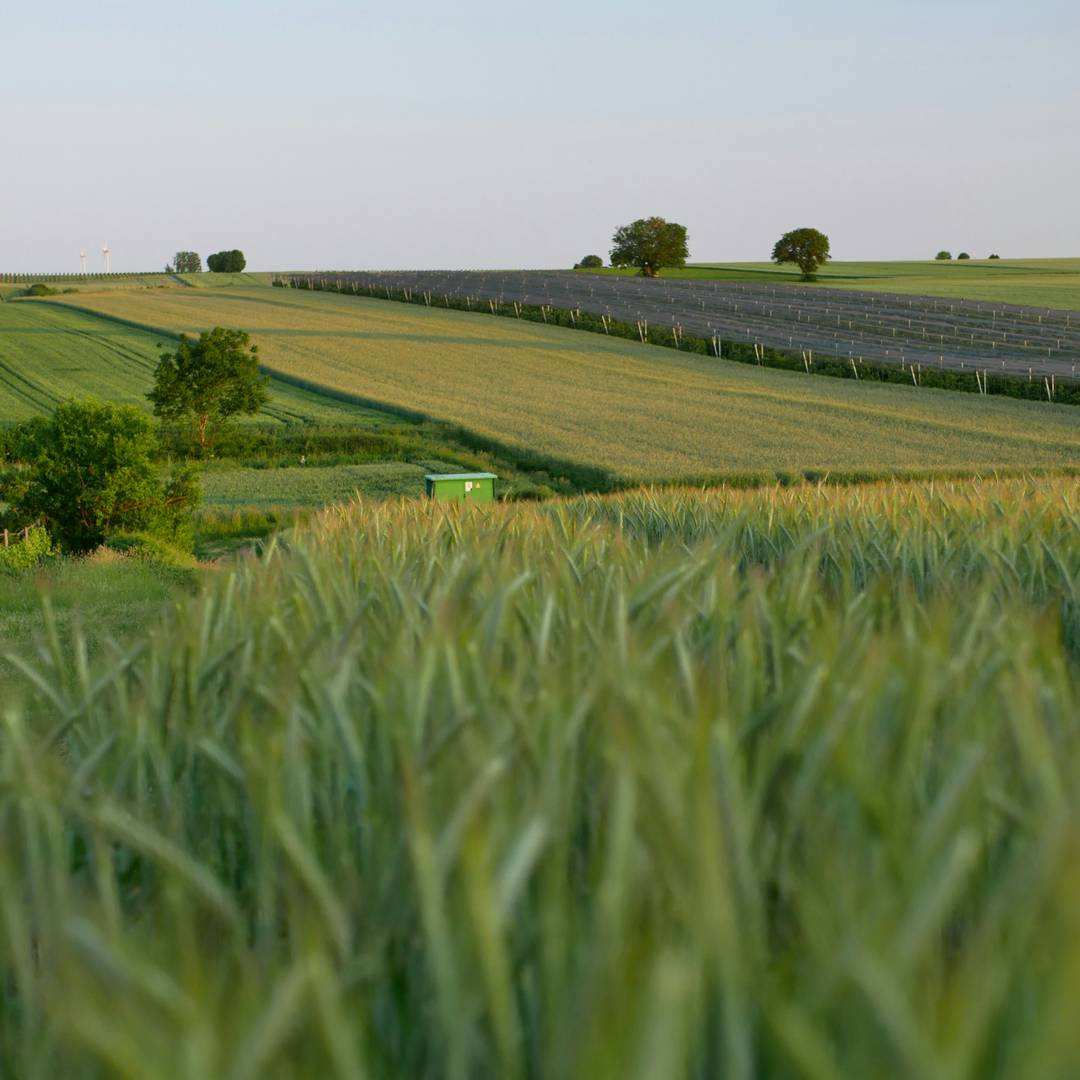
While the journey of a crop begins with a single seed, this tiny starting point is often the most vulnerable to the harsh environmental stresses that threaten our global food supply.
While traditional chemical treatments can boost germination, they frequently cause lasting damage to our ecosystems, creating an urgent need for more sustainable technologies like nano-based agrochemicals. According to the study, these advanced materials can improve seed viability while reducing the toxic side effects of standard treatments by allowing for a more controlled release of active ingredients.
However, moving these technologies into the field raises significant questions regarding safety, exposure levels, and potential risks to both human health and the environment. In this comprehensive review, the researchers discuss the development and scope of these treatments while carefully assessing the obstacles to their widespread use and commercial potential.
The pressing need for new policy regulations to manage these risks effectively. Ultimately, the authors present this work as a foundation for understanding the next generation of seed treatments, aiming to provide a deeper look at how nanotechnology could reshape farming while acknowledging the safety challenges we must still overcome.
Learn more about this study: https://doi.org/10.1007/s40820-023-01025-5
Reference:
Shelar, A., Nile, S. H., Singh, A. V., Rothenstein, D., Bill, J., Xiao, J., Chaskar, M., Kai, G., & Patil, R. (2023). Recent Advances in Nano-Enabled Seed Treatment Strategies for Sustainable Agriculture: Challenges, Risk Assessment, and Future Perspectives. Nano-Micro Letters, 15(1), 54.