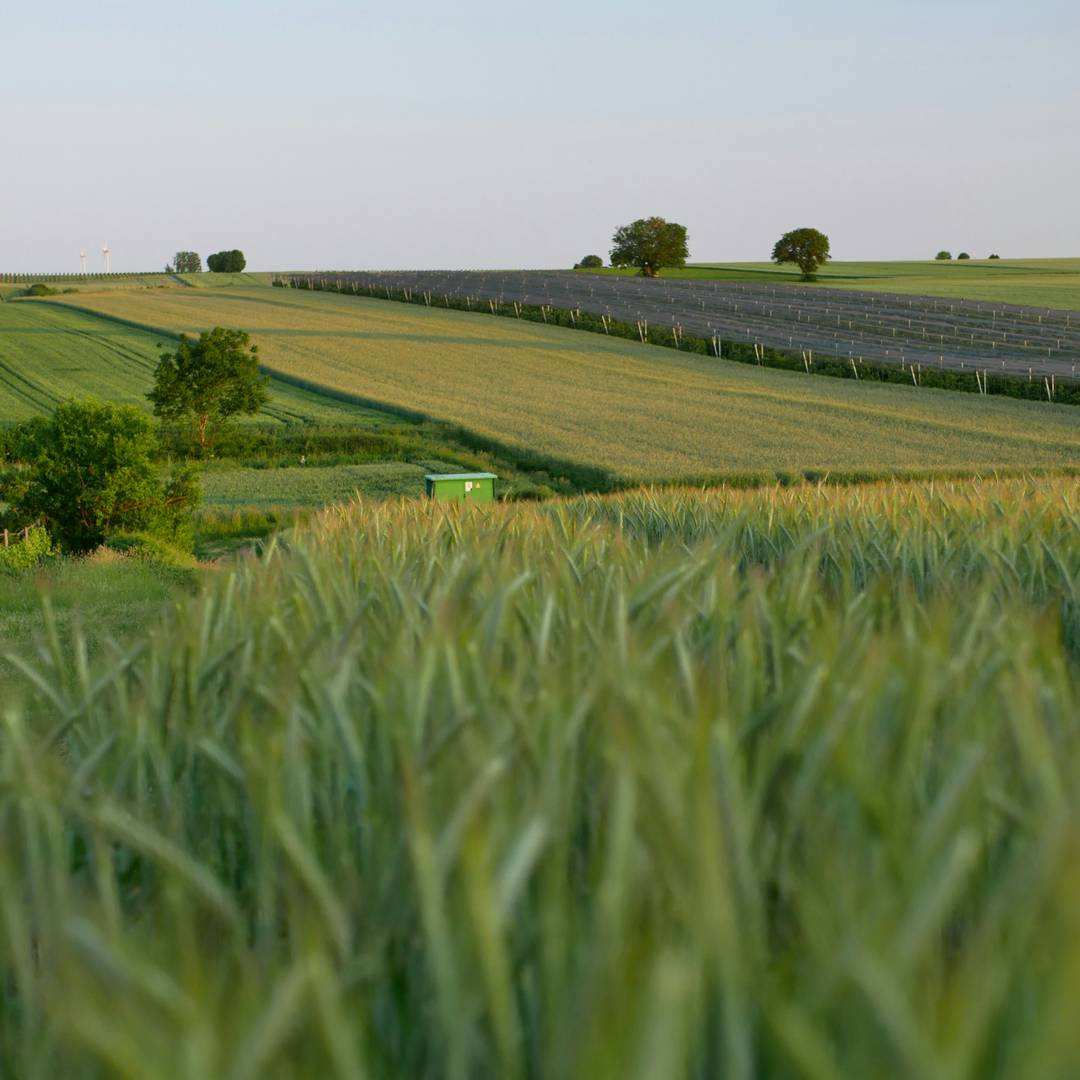
While data is often associated with offices and computers, it may actually be the most important tool we have to protect the future of global food security. While agriculture is the backbone of all human activity, it is currently facing massive threats from a growing population and intense competition for natural resources.
To tackle these increasingly complex problems, the researchers argue that we must lean into smart farming and precision agriculture. They highlight that data analytics—specifically disruptive technologies like machine learning, big data, and blockchain—are the keys to ensuring we have enough safe food while protecting our environment. These tools can address a wide range of issues, from boosting crop yields and saving water to maintaining the health of plants and soil.
In this study, the authors conducted a systematic review of 93 research papers to analyze how machine learning is specifically applied across different stages of the agricultural supply chain. They illustrate how these techniques can lead to more sustainable systems and even propose a new framework for putting these ideas into practice. According to the study, machine learning provides real-time insights that allow for proactive, data-driven decisions rather than just reacting to problems after they happen.
Ultimately, the authors provide a set of guidelines for researchers and policymakers to help manage these supply chains more successfully, aiming for a balance of high productivity and better environmental stewardship.
Learn more about this study here: https://doi.org/10.1016/j.cor.2020.104926
Reference:
Sharma, R., Kamble, S. S., Gunasekaran, A., Kumar, V., & Kumar, A. (2020). A systematic literature review on machine learning applications for sustainable agriculture supply chain performance. Computers & Operations Research, 119, 104926.