Tag: Nanotechnology

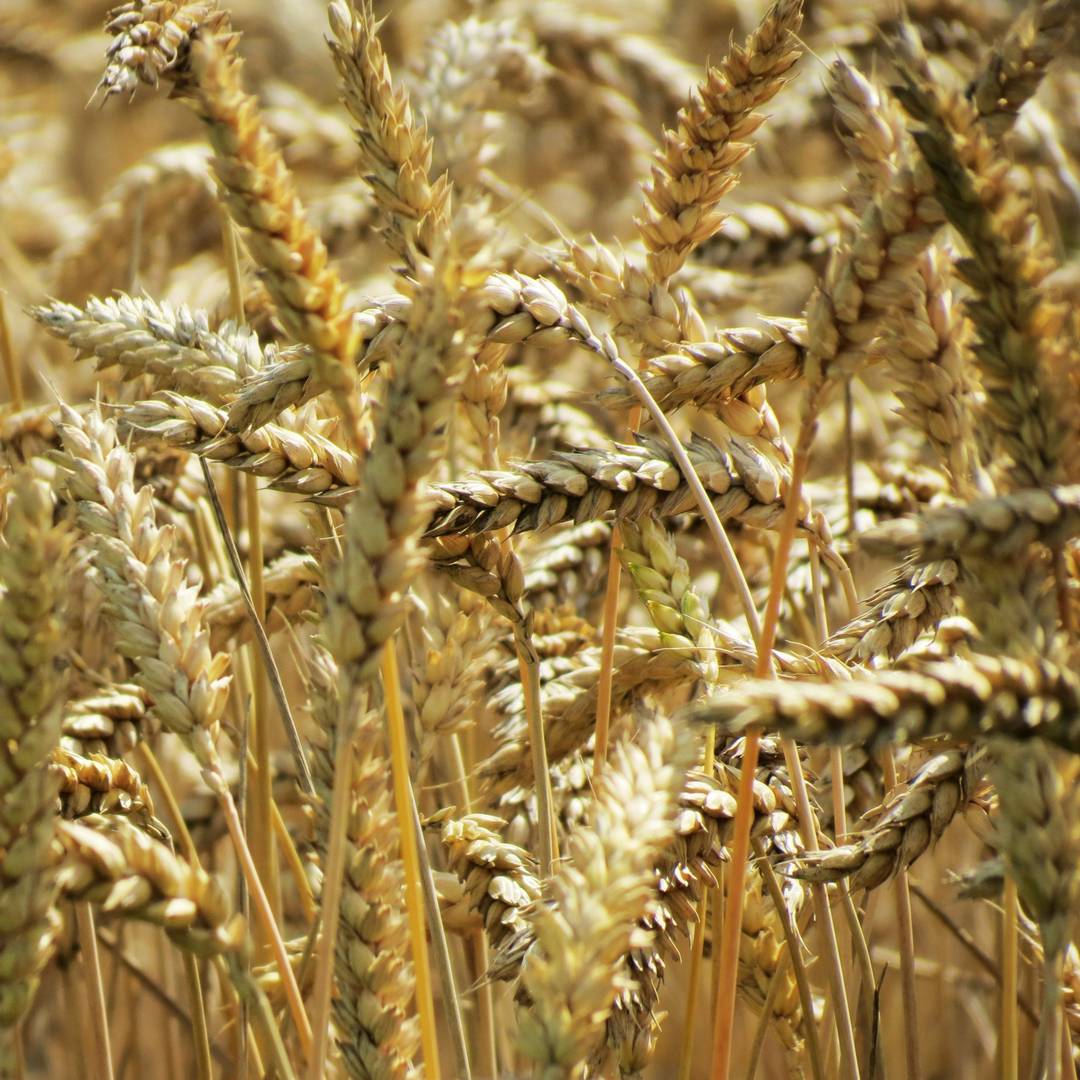
  • Biosensors to support sustainable agriculture and food safety

    Biosensors to support sustainable agriculture and food safety

    Ensuring that the food we eat is safe is a challenge that affects every person on the planet, but the authors explain that we still need better and more affordable ways to detect hidden contaminants.

    While food safety remains a major hurdle for human health, the researchers point out that biosensors have long been viewed as a key part of the solution. They emphasize that recent breakthroughs in nanotechnology, miniaturization, and the Internet of Things are now boosting these tools to a level where they will certainly play a leading role in addressing global food risks.

    However, the study highlights a surprising gap: most of this technology has not yet been adapted to work across the entire food supply chain, often neglecting important areas like sustainable farming practices and the prevention of food fraud. In this review, the authors look at the most recent developments from 2015 to 2019 to show how biosensors are finally beginning to tackle these broader issues.

    Ultimately, they argue that we need new, integrated strategies to move these tools into the global market, ensuring that our food systems are not only safe but also sustainably managed from start to finish.

    Learn more about this study here: https://doi.org/10.1016/j.trac.2020.115906


    Reference:

    Griesche, C., & Baeumner, A. J. (2020). Biosensors to support sustainable agriculture and food safety. TrAC Trends in Analytical Chemistry, 128, 115906.
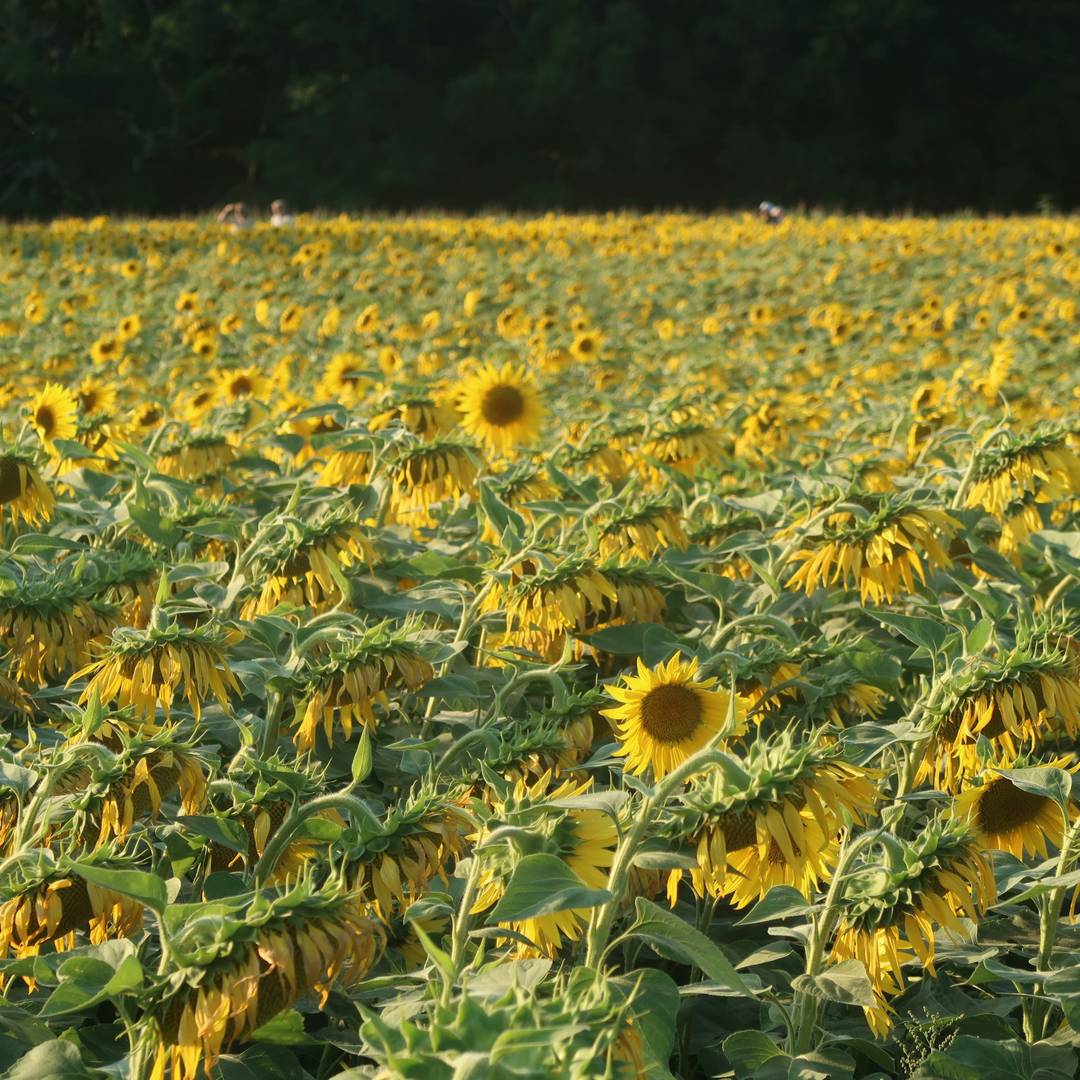
  • Nano-biofertilizers as bio-emerging strategies for sustainable agriculture development: Potentiality and their limitations

    Nano-biofertilizers as bio-emerging strategies for sustainable agriculture development: Potentiality and their limitations

    While our modern food systems rely heavily on synthetic chemicals, the authors explain that a 21st-century technological revolution might finally offer a way to protect our planet and our food supply at the same time.

    They point out that climate emergencies and our long-term dependence on synthetic fertilizers have created serious risks for the environment, soil health, and the delicate balance of microorganisms in the ground. To address these drawbacks, the researchers highlight the emergence of nano-biofertilizers (NBF), which combine the precision of nanotechnology with the natural power of biofertilizers.

    According to the study, these tools are not just a way to safeguard global food security as the population grows, but they also represent a much more economically and environmentally sustainable alternative to traditional methods.

    The authors describe how these fertilizers are made by encapsulating inorganic materials like zinc or silver, or organic ones like cellulose, using “green” microbial synthesis to avoid the contamination caused by conventional chemicals. Although the use of these “smart” fertilizers is still in its early stages, the researchers argue that they have the potential to completely transform farming into a more precise and resilient system.

    This review provides a deep dive into how these NBFs are created and how they interact with plants to help them survive the stresses of a changing climate. Ultimately, the authors summarize the latest field applications for precision farming while discussing the current bottlenecks and the future trends needed to make these potent tools a reality for global agriculture.

    Learn more about this review here: https://doi.org/10.1016/j.scitotenv.2022.160476


    Reference:

    Sharma, B., Tiwari, S., Kumawat, K. C., & Cardinale, M. (2023). Nano-biofertilizers as bio-emerging strategies for sustainable agriculture development: Potentiality and their limitations. Science of The Total Environment, 860, 160476.