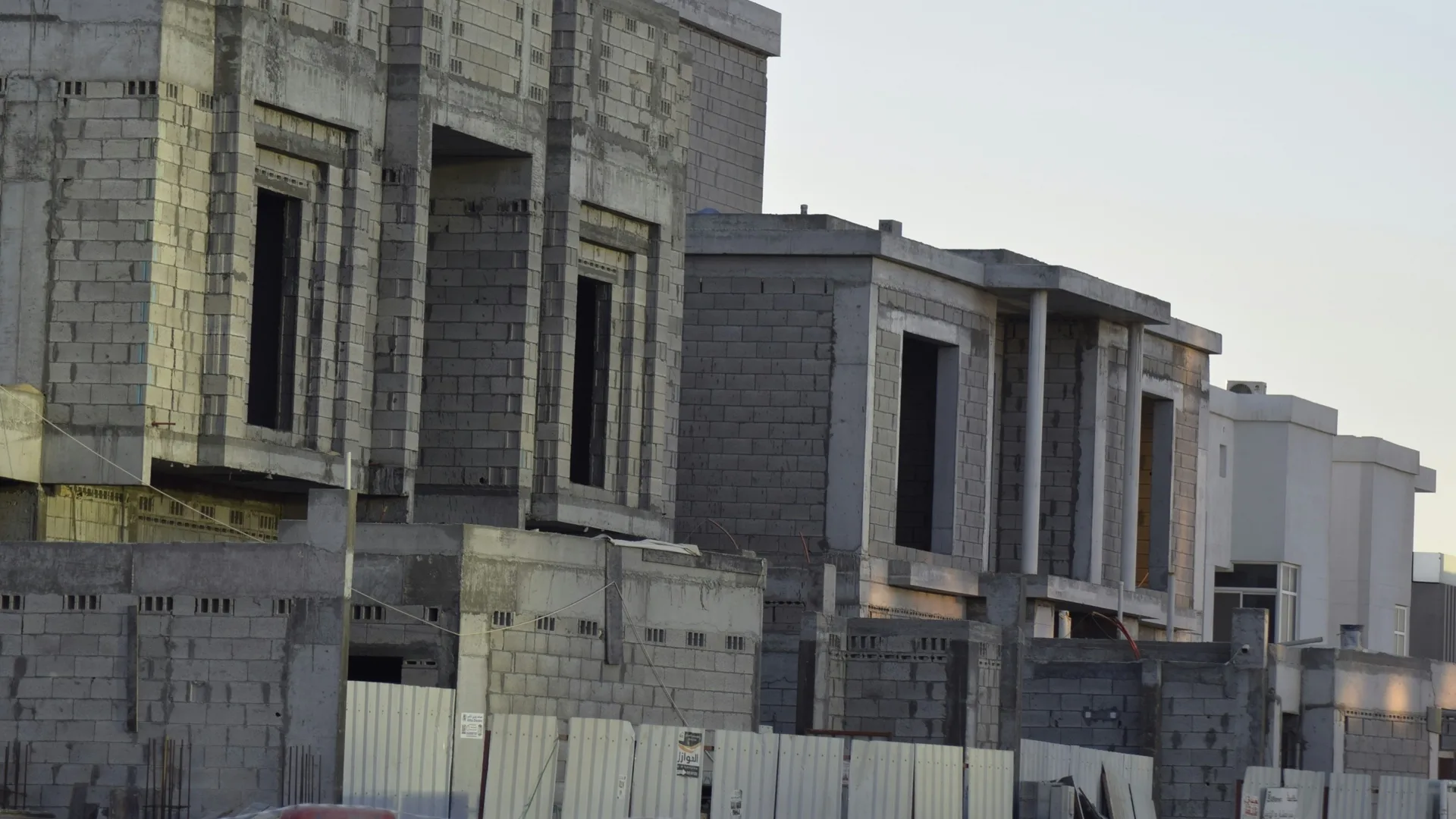
The “greenest” building is sometimes the one that has remained after many years. This research explores how Circular Economy strategies can breathe new life into abandoned or underutilized cultural heritage buildings, transforming them from relics of the past into facilitator for a sustainable future.
By focusing on adaptative reuse, cities can revitalize neighborhoods and preserve their unique historical identity while drastically reducing the environmental cost of new construction.
By applying systematic review of literature and synthesis methods, the research introduces a comprehensive circular economy framework designed to fill the knowledge and tools gap of decision-makers.
It merges lifecycle environmental techniques with circular supply chain approach, providing the tools needed to prove that extending a building’s lifespan is an economic, social and ecological win.
For the modern urban planner, this study demonstrate that heritage preservation isn’t just about history, it’s a high-performance strategy for building resilient, resource-efficient, and culturally rich circular cities.
Learn more about this review here: https://doi.org/10.1016/j.resconrec.2019.104507
Reference
Foster, G. (2020). Circular economy strategies for adaptive reuse of cultural heritage buildings to reduce environmental impacts. Resources, Conservation and Recycling. 152, 104507